

Audio By Carbonatix
Ghana, like many other countries, is increasingly experiencing the adverse effects of climate change. These effects manifest in various ways, including:
1. *Rising Temperatures:* There has been a noticeable increase in average temperatures across Ghana. This has led to heatwaves, which affect agriculture, water resources, and human health.
2. *Irregular Rainfall Patterns:* Rainfall patterns have become increasingly unpredictable, with periods of intense rainfall followed by prolonged droughts. This variability affects agricultural productivity, especially in northern Ghana, where farming is predominantly rain-fed.
3. *Sea-Level Rise and Coastal Erosion:* Coastal areas, including major cities like Accra, are experiencing rising sea levels. This has led to severe coastal erosion, threatening livelihoods, infrastructure, and human settlements along the coast.
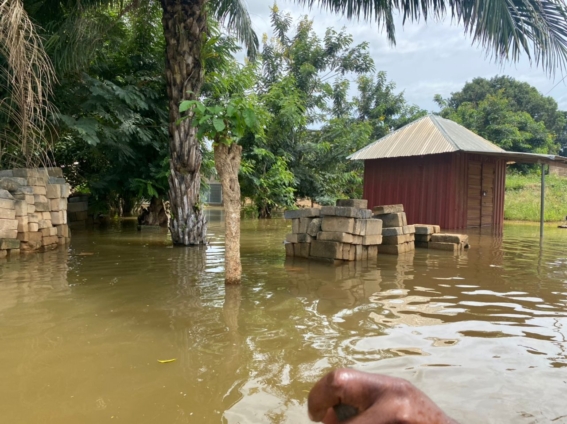
4. *Flooding:* Increased intensity of rainfall events has led to more frequent and severe flooding, particularly in urban areas where drainage systems are inadequate. Floods disrupt communities, destroy property, and increase the risk of waterborne diseases.
5. *Impact on Agriculture:* Agriculture, a major economic sector in Ghana, is heavily impacted by climate change. The unpredictable weather patterns have reduced crop yields, affecting food security and the incomes of smallholder farmers.
6. *Health Risks:* The changing climate has led to an increase in diseases such as malaria, cholera, and heat-related illnesses. The health infrastructure often struggles to cope with these challenges.
Environmental Ministry's Actions to Mitigate Climate Change
The Ministry of Environment, Science, Technology, and Innovation (MESTI) in Ghana is actively involved in addressing climate change through various policies and initiatives:
1. *National Climate Change Policy (NCCP):* Ghana has developed a comprehensive National Climate Change Policy that outlines strategies for adaptation and mitigation. The policy focuses on building climate-resilient infrastructure, promoting sustainable agriculture, and enhancing water resource management.
2. *Ghana’s Nationally Determined Contributions (NDCs):* As part of the Paris Agreement, Ghana has committed to reducing greenhouse gas emissions and increasing climate resilience through its NDCs. These commitments include promoting renewable energy, enhancing energy efficiency, and reducing emissions from the forestry sector.
3. *Renewable Energy Promotion:* The Ministry is promoting the use of renewable energy sources, such as solar and wind, to reduce the country's dependence on fossil fuels. This initiative is aimed at reducing greenhouse gas emissions while also providing sustainable energy solutions for rural areas.
4. *Reforestation and Afforestation Projects:* MESTI is involved in various tree planting and forest restoration programs to combat deforestation and enhance carbon sequestration. These efforts are critical in preserving Ghana's forests and protecting biodiversity.
5. *Public Awareness and Education:* The Ministry is working on raising public awareness about climate change and its impacts. Educational programs and campaigns are being conducted to encourage behavioral changes that support environmental sustainability.
6. *Climate-Resilient Agriculture:* The Ministry is promoting climate-smart agricultural practices that help farmers adapt to changing weather patterns. This includes the development of drought-resistant crop varieties, efficient water management techniques, and sustainable land use practices.
7. *Strengthening Disaster Risk Management:* To reduce the impact of climate-related disasters such as floods and droughts, MESTI is enhancing disaster preparedness and response mechanisms. This includes improving early warning systems and building the capacity of local communities to respond to emergencies.
Through these efforts, Ghana is working to mitigate the effects of climate change and build resilience across its various sectors. However, challenges remain, and continued efforts are needed to effectively address the ongoing impacts of climate change on the country.
Latest Stories
-
Kojo Bamba, Henry Nana Boakye and Nana Akomea elected NPP Vice Chairmen
2 minutes -
From Delta Force to NPP First Vice Chairman – Kojo Bamba’s political journey
7 minutes -
Police restore calm at Larteh following Odwira festival disturbance
59 minutes -
‘All the camps will dissolve’ – Bawumia demands one NPP for 2028
1 hour -
There is no time to waste – Bawumia orders NPP to begin 2028 work
1 hour -
Sarkodie visits MobileMoney Fintech LTD
1 hour -
John Boadu unveils new NPP strategy to win back youth and modernise party
1 hour -
Hawa Koomson elected NPP National Women’s Organiser
1 hour -
John Boadu begins NPP rebuild from grassroots ahead of 2028 election
1 hour -
Titus Glover wins NPP National Organiser race on second attempt
1 hour -
Winning 2028 election won’t be easy; we must work harder – Bawumia
1 hour -
You’ll be part of 2028 campaign; there’s enough work for all of us – Bawumia to NPP aspirants
2 hours -
John Boadu moves to unite NPP after heated leadership contest
2 hours -
Today is not a day of victory but a day of responsibility and great unity – John Boadu
2 hours -
Let us choose unity over division – John Boadu to NPP
2 hours