

Audio By Carbonatix
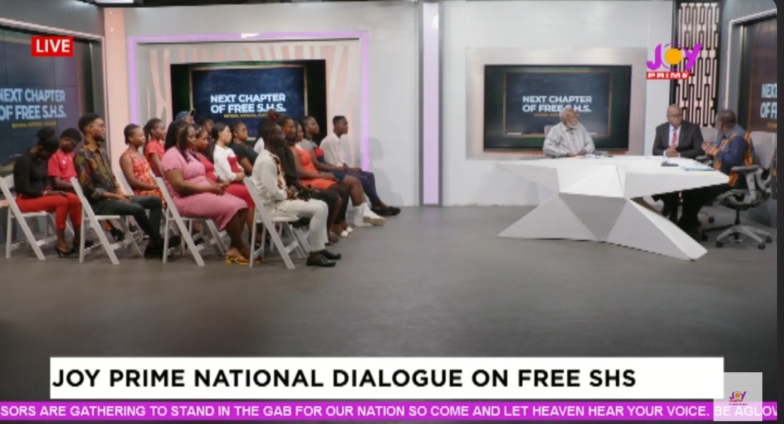
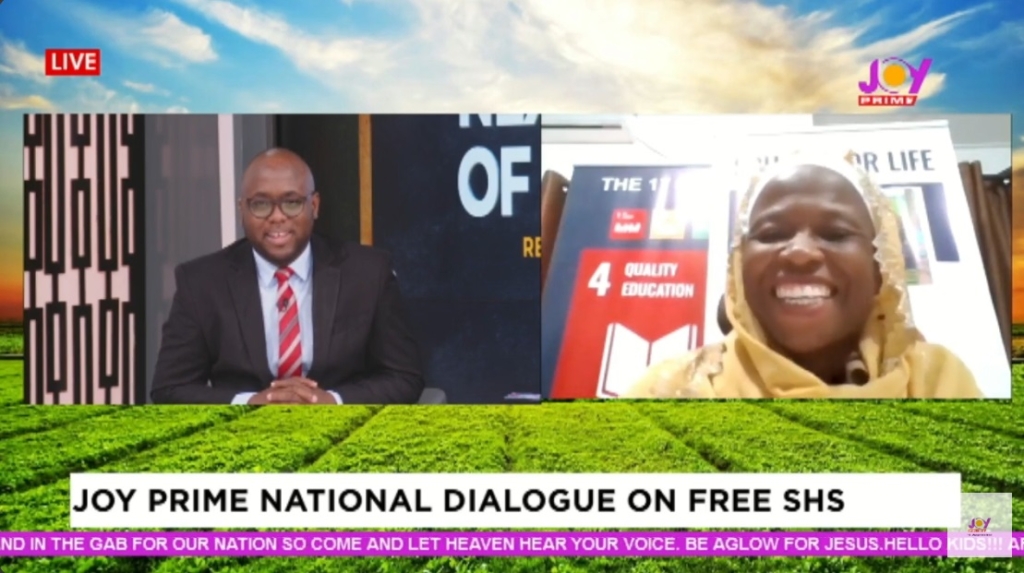
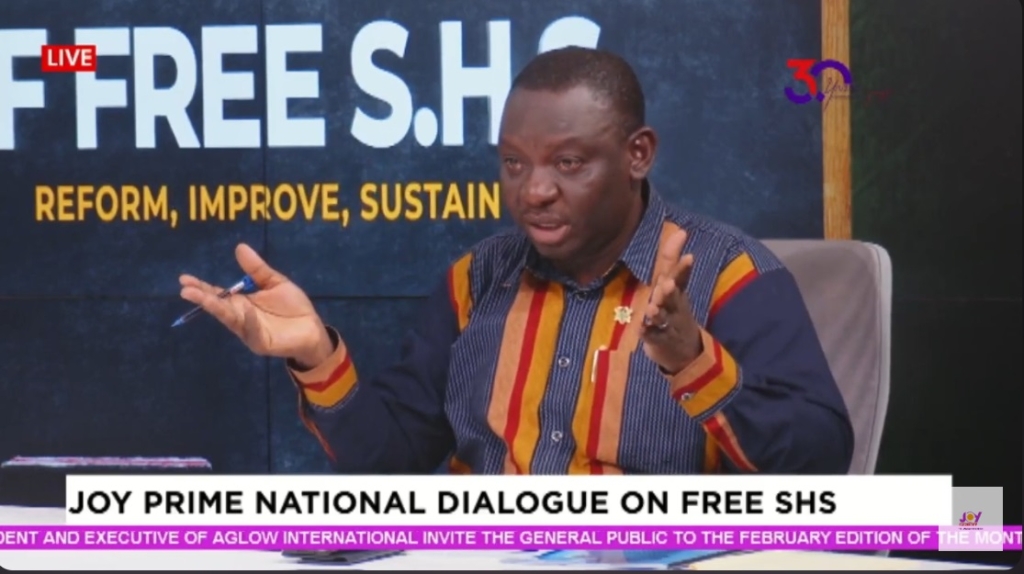
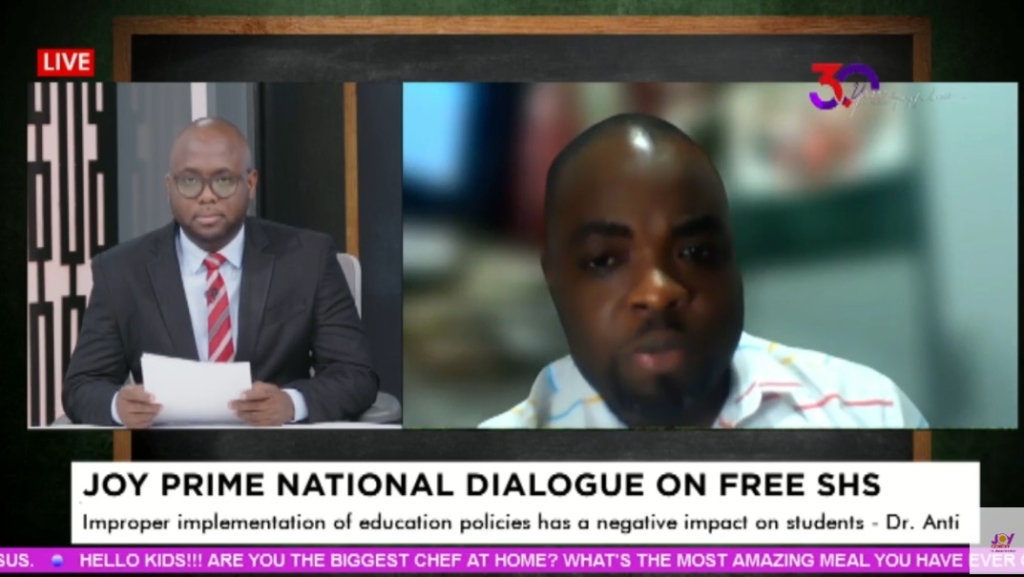
The Joy Prime National Dialogue on the Free Senior High School (SHS) policy convened key stakeholders, including policymakers, academics, and economists, to assess the successes, challenges, and future sustainability of the initiative. The discussions centered on depoliticising education and ensuring a balanced approach to access, quality, and financial sustainability.
The dialogue was held in partnership with School for Life, with funding from the Citizens-Led Actions for Educational Accountability and Responsiveness (CLEAR) Project, implemented in collaboration with GDCA and YEfL-Ghana. The project is funded by the Global Partnership for Education through Education Out Loud.
Key Discussions and Observations
Depoliticisation of Education
Panelists emphasised the importance of adopting a national rather than a political approach to the Free SHS policy. Ensuring continuity and effectiveness requires an education system that transcends political cycles and party ideologies.
Enrollment vs Quality
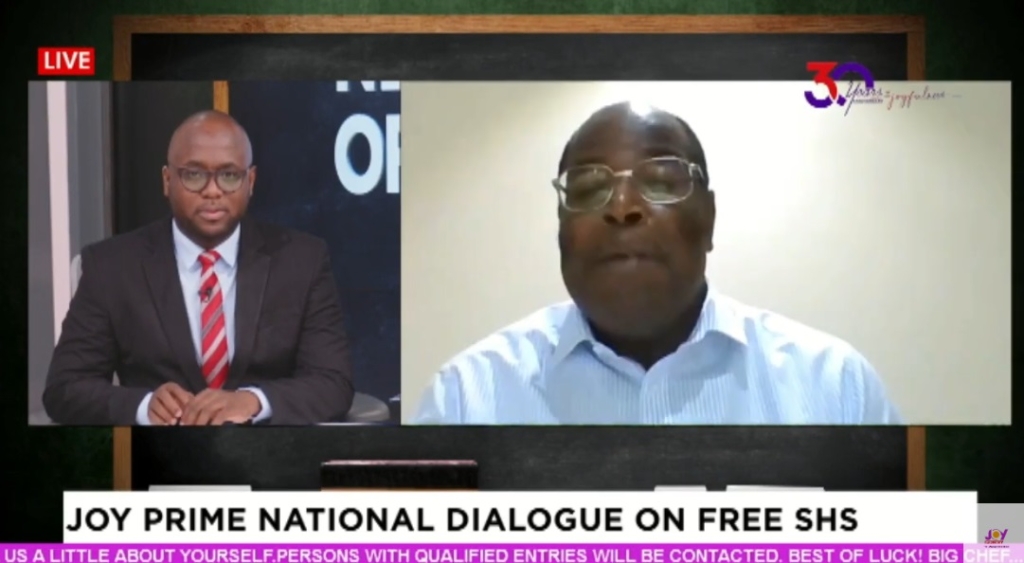
The Free SHS policy has significantly increased student enrollment, but concerns about quality persist. Overcrowding, inadequate teaching and learning materials, and declining educational standards emerged as pressing challenges that require urgent attention.
Financial Burden on Government
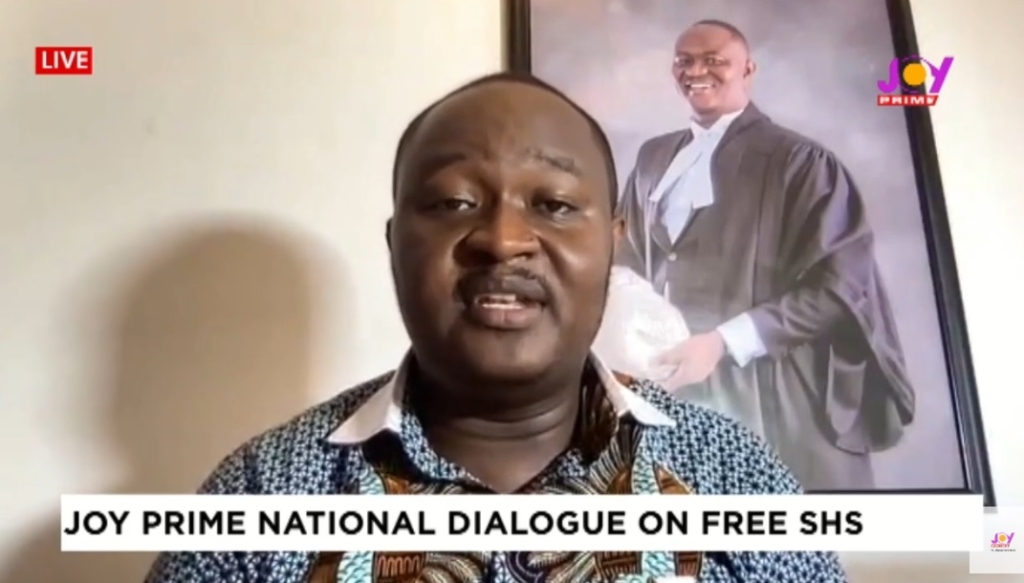
Boarding facilities have imposed a substantial financial burden on the government. Panelists acknowledged the need to explore alternative funding mechanisms to sustain the policy without compromising quality.
Thematic Areas for Benchmarking Education
Education must be evaluated based on three key thematic areas: Access, Quality, and Relevance. Stakeholders stressed the need to maintain a balance among these areas to achieve the overall goals of the Free SHS policy.
Investment vs Expenditure
Education should be seen as an investment in the nation’s future rather than a mere expenditure. Panelists highlighted the long-term economic and social benefits of adequately funding education.
Financial Sustainability and Alternative Funding
A consensus emerged that financial constraints account for 90% of the policy's challenges. While both major political parties now support the Free SHS policy, the government lacks sufficient resources to fully fund the programme. Alternative financing models were proposed, including:
- Contributions from parents who can afford to support feeding costs.
- Allocation of revenue from oil and other national resources to fund the policy.
Double Track System
The double-track system played a crucial role in ensuring access for all students, but its impact on education quality remains a concern. Stakeholders recommended further evaluation to optimize its effectiveness.
Means Testing Approach
A means testing mechanism was proposed to determine parents' ability to contribute to their children's education. While tuition should remain free, those who can afford additional costs, such as feeding and boarding, should bear those expenses.
Access for All
The dialogue reaffirmed the principle that every student should have access to SHS without a cut-off point that could exclude students from the system.
Conclusion
The Joy Prime National Dialogue on Free SHS Policy underscored the significant strides made toward universal secondary education access. However, challenges related to financial sustainability and quality assurance remain. Stakeholders agreed on the need for alternative funding mechanisms and policy adjustments to enhance efficiency and maintain high education standards. The collaboration between the government, the private sector, and civil society will be essential in making Free SHS more sustainable for future generations.
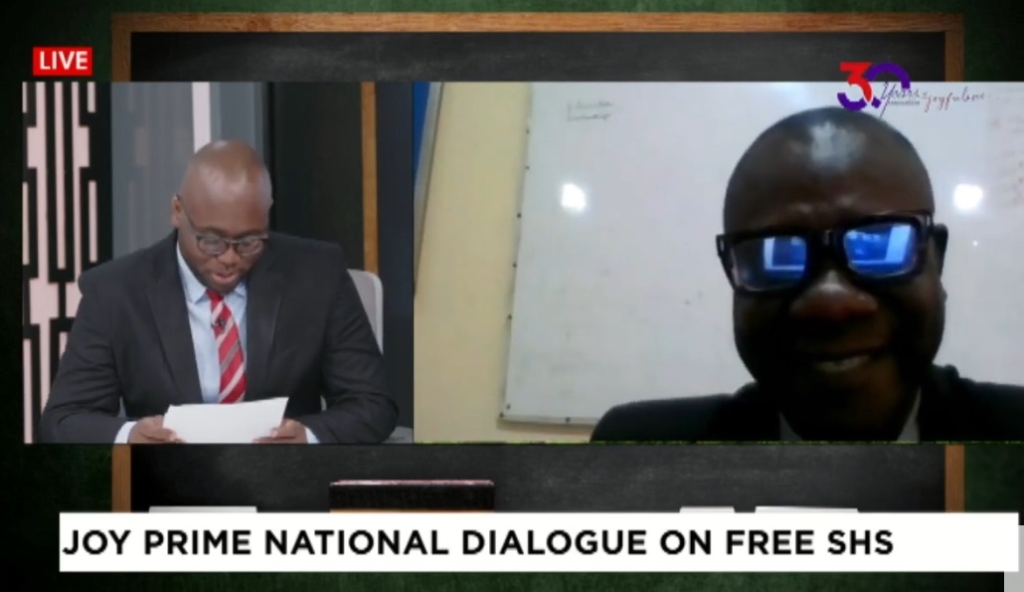
Resource Persons
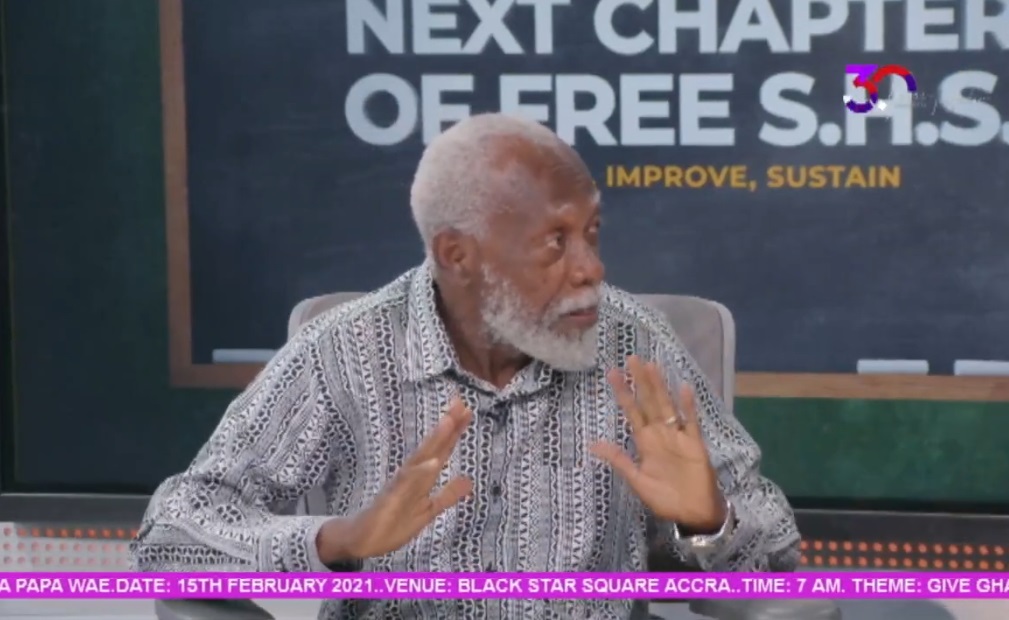
- Prof. Emeritus Stephen Adei – Renowned Educationist
- Joseph Kwame Kumah – MP, Kintampo North & Member, Education Committee of Parliament
- Kwasi Kwarteng – Former PRO, Ministry of Education
- Prof. Jonathan Fletcher – Key Advisor, Teaching & Learning Partnerships, Transforming Teaching Education & Learning
- Dr. Peter Attafuah – Senior Education Advisor, Africa Education Watch & Former Director of Education, Northern Region
- Dr. Peter Anti Partey – Education Economist & Executive Director, IFEST-Ghana
The dialogue reinforced the urgency of ensuring that Free SHS remains accessible, relevant, and of high quality, with strategic partnerships playing a key role in its long-term sustainability.
Latest Stories
-
NAGRAT urges gov’t to communicate early if September deadline cannot be met
11 minutes -
We trust government to meet September deadline on teachers’ promotions – NAGRAT
22 minutes -
“We dare not fail” – Gov’t promises to honour teachers’ promotion pay deal
29 minutes -
The GH¢19.8 billion mirage: Inside Ghana’s state enterprise turnaround
37 minutes -
Luv FM High School Debate: KNUST SHS and Osei Adutwum SHS set up thrilling final after dramatic semi-finals
44 minutes -
KNUST AI Coordinator urges structured adoption of AI in teacher education
57 minutes -
Nepal rescuers blast hillside in search of hydropower workers as families wait anxiously
1 hour -
Teachers who pass promotional exam to get January 2026 start date after gov’t resolves promotion dispute – Dr Apaak assures
1 hour -
NSMQ 2026: St. John’s School rally from slow start to book semi-final spot
1 hour -
Promotion pay row: Gov’t gives teachers September 2026 to complete salary adjustments
1 hour -
Financial irregularities plummet by 62.9% as state tightens fiscal controls
1 hour -
DVLA to expand mobile services to underserved communities in Ghana’s Eastern Corridor of the Northern Region
2 hours -
GUTA urges GPHA to act swiftly to end Tema Port congestion to avert rising business costs
2 hours -
Port congestion could undermine 24-hour economy policy – GUTA
2 hours -
NSA opens three-day window to resolve national service biodata mismatches
2 hours