


Audio By Carbonatix
The semi-finals of AFCON 2025 will feature four African coaches: Pape Thiaw (Senegal), Hossam Hassan (Egypt), Eric Chelle (Nigeria), and Walid Redragui (Morocco).
It is the first time in the history of the competition that all four semi-finals are managed by African coaches.
Whatever happens on Wednesday, one thing is certain: an African coach will lift the Africa Cup of Nations.
But it will not be the first time. The last three tournaments - AFCON 2019, 2021, and 2023- have all been won by African coaches.
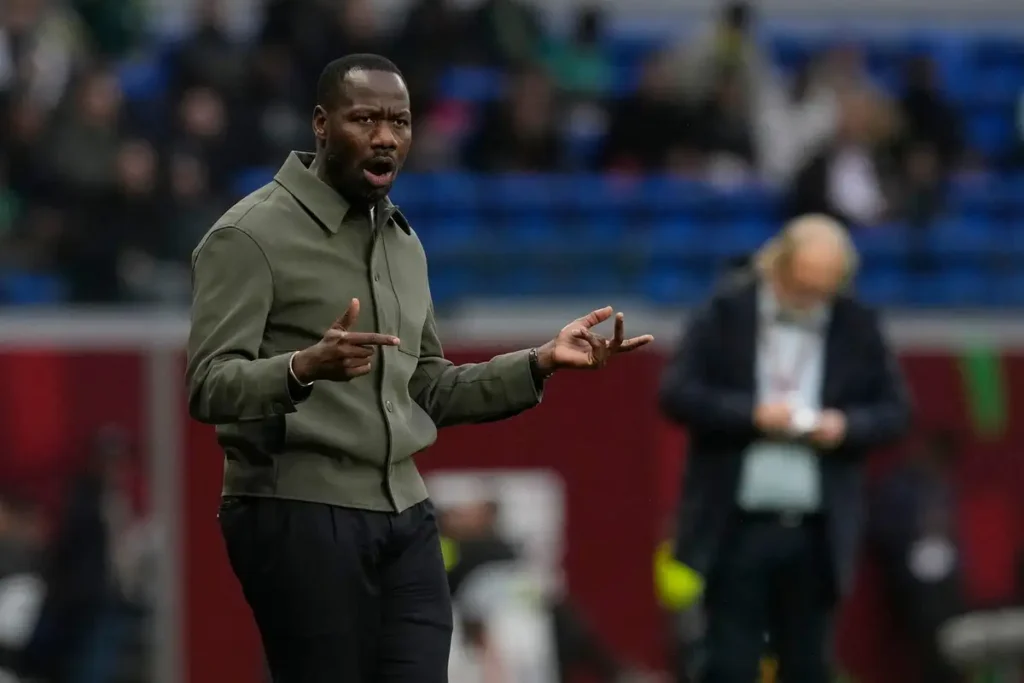
In 2019, Djamel Belmadi (Algeria) won a close contest over Aliou Cisse's Senegal in Cairo. Two years later, Cisse channeled the disappointment from that experience, using it as fuel to beat Egypt, who were then led by Carlos Queroz.
Then, at AFCON 2025, Emerse Fae emerged from the obscurity of being Jean Louis-Gasset's assistant to win the tournament after taking over in the round of 16.
New coaching trends?
The most profound impact of what these coaches have done will not just be limited to what their successes mean for their country, but also how they did it and how their methods influence their peers on the continent.
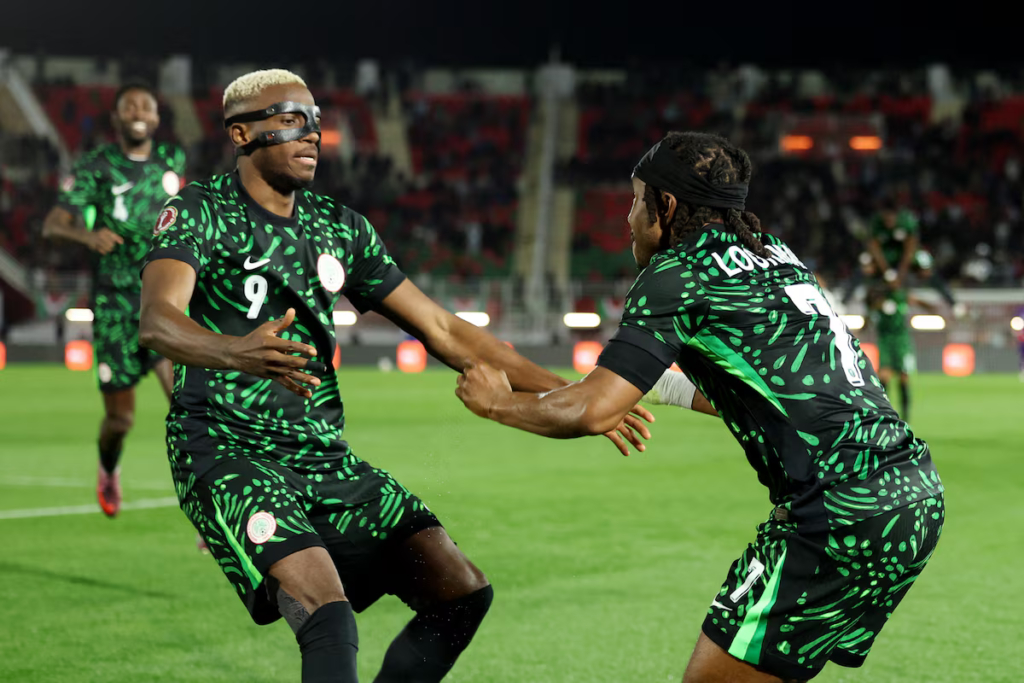
Nigeria has been the best attacking team in the tournament. From a ton of chances created, the Super Eagles have scored 14 goals in just five games. Six of those goals were scored in the knockout rounds - 4 against Mozambique in the round of 16, and 2 against 2019 champions Algeria in the quarter final.
They have conceded four goals in five games, but have conceded none in the knockout stage.
On Saturday, they limited World Cup bound-Algeria to no shots on target while Nigeria managed 10.
In the end, Algeria's coach Vladimir Petkovic conceded there was nothing he could do.
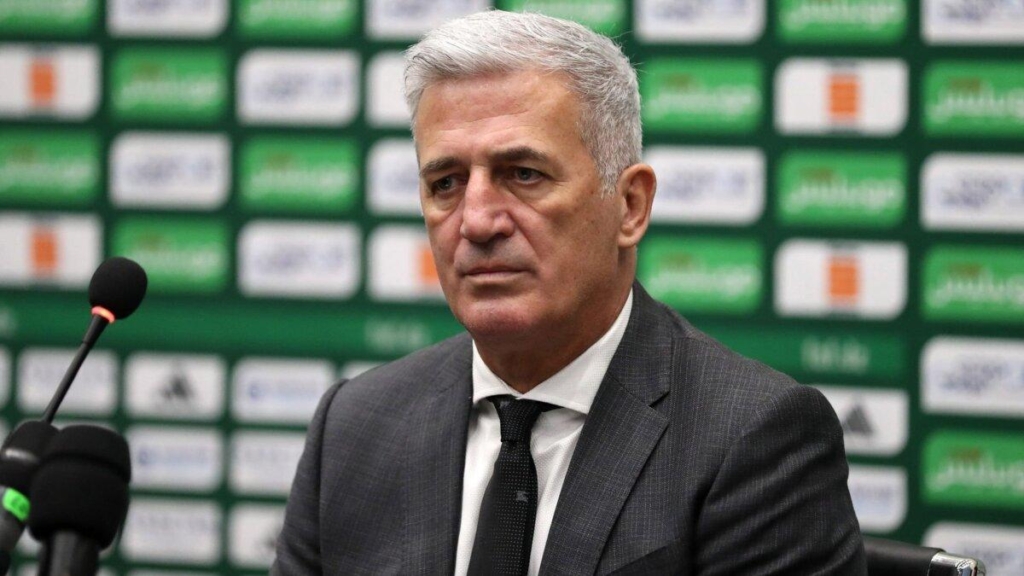
“Do I have to tell the truth or should I be political [about the match]?” Petkovic asked during his post-match press conference. “Nigeria deserved to win this match. They were better than us. It was difficult to get into this match… We were hit left and right…”
Before you get any ideas, no, Petkovic is no novice.
He led Switzerland to the round of 16 stage of the UEFA Euro 2016 and the 2018 World Cup, and made the quarter finals of Euro 2020, defeating World Champions France in the round of 16 to achieve the latter.
At the club level, Petkovic won the Coppa Italia with Lazio in 2013.
So he is an accomplished manager by all accounts, and the most experienced coach at the tournament for all intents and purposes.
Yet, Eric Chelle, who led Mali to the quarter finals of the last AFCON, presented tactical problems far beyond Petkovic’s capacity. In doing so, he succeeded where coaches like Didier Deschamps, who met Petkovic as World Champion with France, could not succeed. And that was with a team featuring Karim Benzema, in addition to the World Cup winning squad of Kylian Mbappe, Paul Pogba, etc.
Chelle’s use of Lookman has been fascinating to watch. Until his arrival, the Atalanta winger was predominantly stationed wide, leaving him with too many hoops to jump before getting close to the goal.
In Morocco, Lookman has been given the license to stay in the half spaces and drift wide at will. But crucially, he is much closer to the box, maximizing the use of his deadly combination of pace, dribbling, shooting, and intelligence.
The result has been devastating: 3 goals, 4 assists, and 12 chances created overall.
Lookman’s deployment has been similar to how Morocco has deployed Brahim Diaz, the tournament’s top scorer with 5 goals.
In sharp contrast, La Côte d'Ivoire’s wingers, Yan Diomande and Amad Diallo, have stayed wide. Diallo produced 5 goals and an assist.
For a continent not lacking in wide, attacking talents, the lessons from these examples will be useful in that regard. There will be even more if you look closely.
When Charles Kumi Gyamfi won consecutive AFCONs for Ghana in 1963 and 1965, the mix of discipline discipline and dedication to strategy, influenced by his German education, and expressiveness of the Black Stars, became the reference point.
The similarities between Gyamfi's team and the AFCON winners in the two decades that followed were eerily similar.
In 2026, there will be no shortage of home-grown coaching minds, even if they were educated elsewhere. Or the foundations of those tactical concepts were first propagated half a world away.
Latest Stories
-
Édouard Mendy annonce sa retraite internationale avec le Sénégal
1 hour -
Lamine Yamal scores twice as Barcelona maintain perfect start
1 hour -
Haaland scores controversial winner for 10-man City at Man Utd
1 hour -
Ghana’s narcotics crisis deepens as drug seizures linked to country top US$1bn – Minority
2 hours -
CAF CC: Nations FC bow out after draw with FC Diarra in Accra
2 hours -
Kenyans dominate 2026 KGL Millennium Marathon as race champions mental health
2 hours -
Minority demands full-scale probe into Ghana’s alleged emergence as narcotics transit hub
2 hours -
NaCCA trains teachers to implement new Chinese language curriculum
3 hours -
Ghana, China deepen cooperation on galamsey and mining sector
3 hours -
JoyNews–Republic Bank Habitat Fair ends on a high note after 3 days of strong patronage, expert engagement
4 hours -
Emma Ofosua takes West African spoken word to three UK cities
4 hours -
Traditional artists will become more expensive because of AI – Aewura Arts
4 hours -
Clients would disappear after I finished their artworks – Aewura Arts recounts challenges
4 hours -
Turkish police detain dozens in raids on gay bars and homes of LGBTQ+ activists
4 hours -
Trump doubles down on united Ireland comments on day two of visit
4 hours