

Audio By Carbonatix
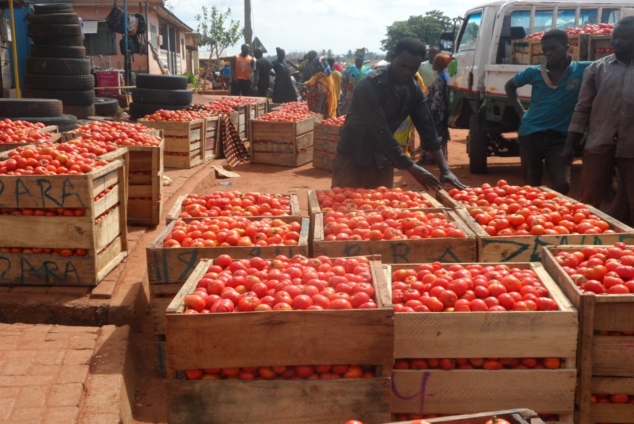
There’s a looming shortage of tomatoes on the markets across Ghana as the Burkina Faso government has indefinitely banned the export of the commodity.
In a letter dated March 16, signed by both the Trades and Agriculture ministers of the Francophone country, it noted that a ban is necessary to feed the country’s national processing units.
Consequently, the issuance of Special Export Authorisations (ASE) has also been suspended.
The letter cautioned operators holding valid fresh tomato export permits that they have two (2) weeks from the date of signature of this communiqué to complete their export procedures.
Following this period, the permit will be considered invalid.
The Burkinabé government warned that any violator of the directive will be sanctioned in accordance with applicable regulations.
“Furthermore, any goods seized in violation of this measure will be returned, free of charge, to the fresh tomato processing plants established under the popular shareholding scheme,” the letter translated to English noted.
It continued that, “The Government is counting on the understanding and cooperation of all stakeholders in the tomato sector, as well as all state technical services, particularly border control services and security forces, to ensure the proper implementation of the terms of this communiqué”.
Kumasi vendors are already feeling the heat
The impact of the ban is being felt well before any formal shortage sets in.
Some tomato vendors at the Racecourse Market in Kumasi are already expressing frustration over the development, warning that prices could spike if the situation is not quickly addressed.
The vendors are using the occasion to call on the government to prioritise the local tomato industry by revamping irrigation systems and investing in local processing facilities — longstanding concerns that have left Ghana's tomato sector heavily dependent on imports from neighbouring countries, particularly Burkina Faso.
Ghana has historically relied on cross-border produce flows from Burkina Faso to supplement domestic tomato supply, especially during lean seasons when local harvests are insufficient to meet demand.
A sudden and indefinite halt to those exports is therefore expected to tighten supply significantly, with knock-on effects on prices at markets nationwide.
Northern Ghana, which serves as the main corridor for produce trade with Burkina Faso, is expected to feel the shortage most acutely in the short term.
Latest Stories
-
Let The Constitution direct Chieftaincy to deliver “All Development Is Local”
49 minutes -
John Jinapor outlines renewable energy, nuclear power priorities for 2027
1 hour -
Ghana explores centre of excellence for hearing, communication and cochlear implant care
2 hours -
Schizophrenia-related disorders lead mental health cases recorded in Ghana
3 hours -
Dutch authorities enlist Ghana in hunt for fugitive drug lord Bolle Jos
3 hours -
Ghana housing finance conference adopts communiqué to improve affordable housing access
7 hours -
Special Initiatives Minister urges Wa Technical Institute to enrol more girls as EU-backed solar training lab opens
8 hours -
In the matter of my first year at the Bar
8 hours -
ActionAid Ghana calls for an end to child marriage, greater investment in girls’ rights
8 hours -
Newsfile to tackle World Cup visa scandal, beach demolitions, education strikes, BRICS bid
8 hours -
UK-Ghana Trade & Investment Summit: Trade Resource Centre to help businesses maximise UK-Ghana trade opportunities
9 hours -
Embassy of Denmark celebrates World Maritime Day
9 hours -
Linking LEAP to productive inclusion could cut extreme poverty by 2030 – UNICEF
10 hours -
Trade Ministry backs use of creative arts to rehabilitate prison inmates
10 hours -
Negotiations with government to continue despite strike suspension – GNAT
10 hours