

Audio By Carbonatix
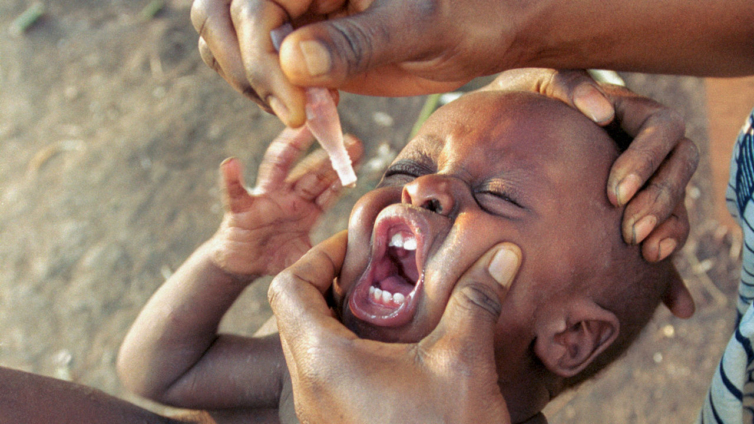
The Ashanti Region has recorded eight polio cases in six districts, more than any region in the country since the beginning of this year.
The cases, all vaccine-derived polio virus Type Two represent more than 80 per cent of 12 cases recorded nationwide.
Though health authorities will not give details of affected districts, they say the situation calls for public support as it rolls out an ambiguous three-day immunisation programme targeting about 1.2 million children under five-years.
"The Ashanti Region recently recorded in six districts in what we call vaccine-derived poliovirus Type Two. And in accordance with established protocol, the region, together with other regions in the country would be embarking on massive polio immunization exercise," Deputy Regional Health Director in charge of Public Health, Dr Yaw Ofori Yeboah told the media in Kumasi.
The situation has prompted health authorities to roll out a three-day immunisation programme across the Region from September 10 to 13..
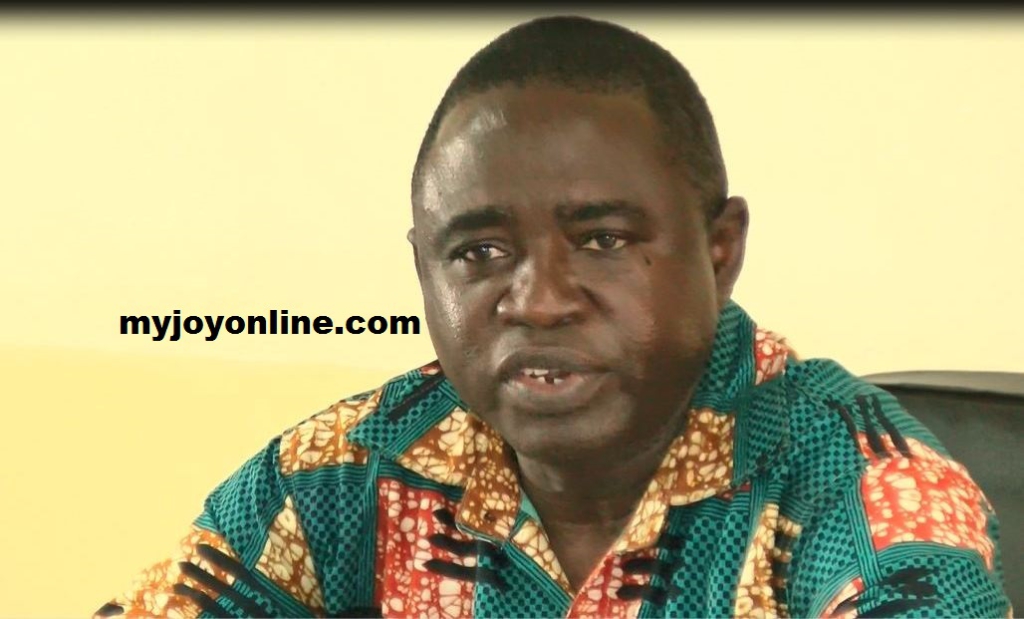
Deputy Regional Health Director in charge of Public Health, Dr. Yaw Ofori Yeboah asked parents to avail their children under 5-years for administration of safe vaccine in all 43-districts of the Ashanti region.
"The focus would be for children under the age of five-years. In Ashanti region, we would be targeting 1,184,860 children aged below five-years."
The affected districts are said to be areas noted for low immunization and insanitary conditions.
Dr. Ofori Yeboah admits the advent of Covid-19 which has affected routine health services in the region could be blamed for the situation.
He want all hands on deck to kick start the immunization exercise.
Meanwhile, the World Health Organisation says some polioviruses have been discovered in Greater Accra and Eastern region.
Immunization Officer, Fred Osei Sarpong revealed poliovirus were found in environmental sewage in those areas and speak of investigations into the virus.
"What we are also doing is aside from the fact that the virus can infect an individual and get that individual paralyzed; the virus is usually in the environment so, in order to satisfy ourselves that we don't have the virus with us, we do pick samples from environmental sewage, send to the lab and then we test."
Latest Stories
-
2026 U-17 WWC: Black Maidens lose to China in pre-tournament friendly
4 minutes -
Who gave Gbande the EOCO remote control?
24 minutes -
Ghana begins review of 1999 National Land Policy, targets new framework by 2027
1 hour -
Tiptoe Lane’s tech takeover: The story behind Ghana’s booming informal phone market
2 hours -
Abanga vows to use social media to counter NDC messaging ahead of 2028 elections
2 hours -
Okai Mintah seeks Sabah Zita Benson’s support for NDC National Youth Organiser bid
3 hours -
Okai Mintah vows to strengthen NDC campaign machinery ahead of 2028
3 hours -
Mother of four and Jasikan teacher among new Telecel M’ahitti Promo winners
3 hours -
International Youth Shakers Conclave 2026 set to bring global young leaders to London
3 hours -
Gov’t is committed to addressing teachers’ conditions of service, deprived-area allowance – Education Minister
3 hours -
GoldBod’s structure encouraging galamsey – Afenyo-Markin
3 hours -
Tullow starts selling Jubilee, TEN crude to Ghanaian refineries
3 hours -
Local Government Service authorises rationalisation, redistribution of staff
3 hours -
PURC assures consumers of working to ensure quality services in Northern Region
3 hours -
Ghana develops US$4.28bn water financing framework
3 hours