

Audio By Carbonatix
Former Deputy Minister of Lands and Natural Resources, Akwasi Konadu, has warned that the future of Ghana’s fight against illegal small-scale mining, popularly known as galamsey, looks “bleak” due to what he describes as state complicity in the sector.
Speaking on the Joy Super Morning Show on Monday, February 9, Mr Konadu cautioned that those attempting to curb illegal mining face significant personal risk.
“Where now you have a state that is so complicit, very complicit in regularizing illegal activities in this country, then it becomes very scary. It becomes so scary to the extent that even for you who is trying to fight it, you must be very careful as to how you go about it because it can even endanger your wellbeing and your life,” he said.
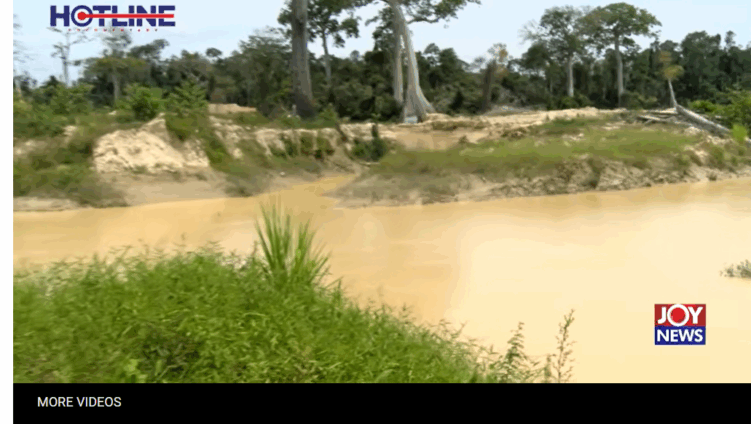
The comments come on the back of the release of A Tax for Galamsey, a Hotline investigative documentary that exposes how illegal mining in the Amansie Central District of the Ashanti Region is allegedly not just tolerated but systematically taxed and protected by government appointees.
The investigation, which relied on undercover reporting, secret recordings, and on-the-ground infiltration, claims to reveal an alleged extortion network involving the District Assembly and a task force operating under the authority of the District Chief Executive.
According to the documentary, illegal miners are required to pay fixed “registration” fees—₵3,000 per changfan machine and tens of thousands of cedis per excavator—in exchange for uninterrupted operations. Payments are reportedly formalised with stickers, receipts, and bank deposits into official Assembly accounts, effectively turning environmental crime into a structured revenue stream.
Environmental advocates and former officials have long warned that galamsey poses a severe threat to Ghana’s water bodies, forests, and soil fertility. Mr Konadu’s warning highlights the growing concern that institutional complicity may undermine ongoing enforcement efforts.
The revelations come as the government continues its stated campaign against illegal mining, with task forces and regulatory agencies tasked with curbing the practice.
For Mr Konadu, the key challenge is the attitude of state actors.
“When those who are supposed to enforce the law are complicit, it not only emboldens the perpetrators but also puts environmental defenders at risk,” he said, underscoring the urgency of institutional accountability.
Latest Stories
-
Power restoration fault suspected in Kumasi Central Market fire
5 hours -
The 7-foot giant of Ngleshie Amanfro: Seven-foot Ghanaian Ephraim Saawa dreams of joining the national basketball team
6 hours -
Government promises support for Kumasi Central Market fire victims
6 hours -
Vibes The Movie: Big Ghun’s Ghanaian film earns five nominations at 2026 REFFA
6 hours -
‘I’m a fulfilled man’—Justice Korbieh on missing out on Supreme Court despite two nominations
7 hours -
MamaCare CEO warns unresolved conflicts among health workers could undermine maternal and neonatal care
7 hours -
Health professionals urged to translate medical knowledge into practice to save mothers
7 hours -
Retired judge Justice Francis Korbieh charges 1,568 new lawyers to uphold integrity
8 hours -
Conflicts among care providers linked to maternal, neonatal deaths – Expert
9 hours -
GIS marks 10th TIME conference, champions improved teaching practices
9 hours -
BRICS Or Balance? What Ghana’s bid really means
9 hours -
Adamus Resources launches breast cancer awareness campaign in Nzema
9 hours -
GPRTU wants full TRAFFITECH-GH implementation to start in 2027
9 hours -
How 10-mile walks for basic education birthed a 50-year legal career for Justice Korbieh
9 hours -
Mahama announces plans to import electric wheelchairs for PWDs
9 hours