

Audio By Carbonatix
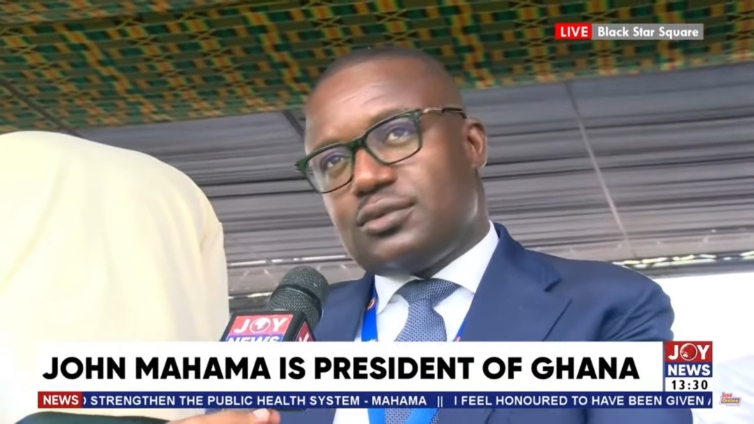
The Member of Parliament (MP) for the Yapei-Kusawgu constituency, John Abdulai Jinapor, has warned that the country faces a serious energy crisis, as there is currently insufficient fuel in stock for power generation.
According to him, the outgoing Nana-Addo-led government failed to make necessary fuel procurements despite repeated warnings and calls to do so.
"I have bad news for you. As of today, the confirmation we are receiving is that we have only five hours' worth of fuel left," he said.
He added that the country’s current fuel supply for power generation will not last more than two days. "If you look at the heavy fuel oil and diesel fuel, we don't have enough to last two days. So, in two days' time, we are likely to run out of fuel."
“This administration has not placed any fuel orders as we speak,” he concluded.
He was speaking with JoyNews after the swearing-in ceremony of the President John Mahama in Accra on January 7.
Ghana's energy mix and consumption requirements
Ghana's energy landscape is characterised by a diverse mix of sources, including hydroelectric power, thermal energy (natural gas, crude oil, and diesel), solar, and other renewables.
The country's energy policy aims to ensure reliable and sustainable energy supply to meet its growing demand, driven by population growth, industrialisation, and urbanisation.
Hydropower has historically been the backbone of Ghana's electricity supply, contributing around 30-40% of the energy mix. The Akosombo, Kpong, and Bui dams are the primary hydropower stations. However, reliance on hydropower has reduced over the years due to the unreliability of rainfall patterns.
Thermal plants powered by natural gas, light crude oil, and diesel account for about 50-60% of Ghana's energy mix. Natural gas has become the preferred fuel, with domestic gas supplies from the Jubilee and Sankofa oil fields complemented by imports from Nigeria through the West African Gas Pipeline (WAGP).
Renewable energy contributes a smaller portion (around 1-2%) of the energy mix. Ghana has been gradually increasing its investment in solar energy through projects like the VRA Solar Plant and small-scale distributed solar systems.
Ghana’s total energy consumption is estimated at around 15,000 GWh annually, with electricity demand growing at a rate of 6-10% per year.
Peak electricity demand is around 3,800 MW, while the installed generation capacity exceeds 5,000 MW, suggesting surplus capacity. However, actual available capacity fluctuates due to maintenance, fuel supply issues, and other operational challenges.
Latest Stories
-
Kwaku Azar writes: A-G vs OSP
28 minutes -
Mfantsipim–Adisadel rivalry built excellence, not division – Sam Jonah
53 minutes -
Vice President launches Mfantsipim’s 150 years of shaping Ghana’s greatest mind
1 hour -
I assure Otumfuo, Mahama will join him to commission KNUST Teaching Hospital by end of this year – Haruna Iddrisu
2 hours -
Barcelona dominate derby to extend La Liga lead
2 hours -
Gov’t to roll out free special education for persons with disabilities from July 1 – Education Minister
2 hours -
Importers and Exporters Association declares full support for Publican AI port system
3 hours -
“We used it to test our officiating officials’ readiness” – Bawah Fuseini after CAA Athletics event
3 hours -
Volleyball emerges as Ghana’s fastest rising sport
3 hours -
National Sports Fund needs strong leadership from the top – Administrator David Wuaku
3 hours -
JoySports Exclusive: Steve McLaren in talks with GFA after expressing interest in Black Stars job
3 hours -
Fire guts auto parts warehouse at Bubuashie, one fire officer injured
3 hours -
I owe my victory to coach Ofori Asare – Allotey after winning WBA Africa Gold Super Flyweight belt
3 hours -
Church of Pentecost supports over 2,000 BECE candidates in Obuasi with career guidance seminar
5 hours -
Brandon Asante and Coventry all but promoted to Premier League despite Sheffield Wednesday draw
5 hours