

Audio By Carbonatix
Fafali was a 22-year-old expectant mother in a rural area in the Volta Region, excitedly preparing for her first child.
However, in her third trimester, she began experiencing pounding headaches, swelling in her hands and feet, and occasional blurred vision.
Her mother fed her paracetamol and some home remedies for relief, but none of that worked. Fafali assumed it was a normal part of the pregnancy journey and decided not seek medical attention.
But it took a worse turn.
One evening, Fafali suddenly developed severe abdominal pain and collapsed into a seizure. Her panicked husband and family rushed her to the hospital.
By the time they arrived, her blood pressure was dangerously high and her organs were failing. Despite the frantic efforts of the medical team, Fafali’s baby could not be saved. The family was left devastated, struggling with the painful reality that timely medical attention could have made the difference.
Pregnancy is often described as a beautiful journey for women but for some this beautiful journey is threatened by a silent but dangerous condition — preeclampsia. This condition is characterized by a dangerous increase in blood pressure and organ damage. It can lead to life threatening complications If left untreated.
Left untreated, preeclampsia can lead to serious, even fatal complications for both the mother and child.
Preeclampsia usually begins after 20 weeks of pregnancy in women whose blood pressure had previously been in the normal or standard range.
When this happens early delivery of the baby is often recommended and this also depends on how far gone the woman is in pregnancy and how severe the preeclampsia is.
Credit: Preeclampsia Foundation
Although the exact cause is unknown, it is thought to be related to placental blood vessel development.
According to the world health organization, preeclampsia affects 2–8% pregnancies worldwide and there are about 46,000 maternal deaths due to this condition coupled with about 500,000 fetal or newborn deaths per year.
Africa and Asia records approximately 10% maternal deaths due to preeclampsia and eclampsia.
In Ghana, research shows that the prevalence of preeclampsia is estimated to be between 6.55% and 7.3%, making it one of the leading causes of maternal and neonatal deaths.
The research notes that knowledge on the rates of postpartum readmission and its risk factors in women with preexisting preeclampsia is none existent.
Who is at risk
Although healthcare providers aren’t entirely sure why some people develop this condition, they have put together some factors that puts a woman at risk for preeclampsia. This risk factors are classified as high or moderate.
High risk factors include:
-History of diabetes, high blood pressure or kidney disease
-Expecting twins, triplets or more
-Autoimmune conditions like LUPUS
-Preeclampsia past pregnancy
-Moderate risk for preeclampsia also includes:
-Obesity
-Being older than 35
-Family history of preeclampsia
-Complications in previous pregnancy
-Markers for preeclampsia include:
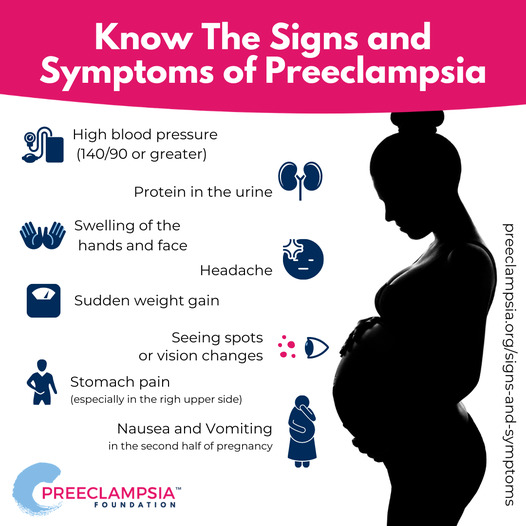
-High blood pressure (140/90mmHg or higher) after 20 weeks of pregnancy.
-Protein in urine
-Signs of organ damage especially liver and kidney
-Symptoms of preeclampsia includes:
-High blood pressure
-Decreased level of platelets in blood
-Increased liver enzymes that indicate liver problems
-Severe headaches
-Changes in vision including, temporary vision loss, blurred vision or light sensitivity
-Shortness of breath which is caused by fluid in the lungs
Even though weight gain and edema are typical during pregnancy, sudden edema and weight gain particularly in the face and hands may be a sign of preeclampsia.
What are the complication?
If left untreated, this condition can be potentially fatal to both mother and child.
The complications include: seizures
-Eclampsia
-Coma
-Stroke
-Preeclampsia can also cause damages to the fetus and most common complications are:
-Premature birth
-Low birth weight
-Placental abruption
Fafali’s story is a painful reminder that preeclampsia is not just “normal pregnancy discomfort.” Early recognition and prompt medical care can mean the difference between life and death for both mother and baby.
-
The author is a Laboratory scientist and a health communicator.
Latest Stories
-
Kwaku Azar writes: A-G vs OSP
18 minutes -
Mfantsipim–Adisadel rivalry built excellence, not division – Sam Jonah
43 minutes -
Vice President launches Mfantsipim’s 150 years of shaping Ghana’s greatest mind
59 minutes -
I assure Otumfuo, Mahama will join him to commission KNUST Teaching Hospital by end of this year – Haruna Iddrisu
2 hours -
Barcelona dominate derby to extend La Liga lead
2 hours -
Gov’t to roll out free special education for persons with disabilities from July 1 – Education Minister
2 hours -
Importers and Exporters Association declares full support for Publican AI port system
2 hours -
“We used it to test our officiating officials’ readiness” – Bawah Fuseini after CAA Athletics event
2 hours -
Volleyball emerges as Ghana’s fastest rising sport
3 hours -
National Sports Fund needs strong leadership from the top – Administrator David Wuaku
3 hours -
JoySports Exclusive: Steve McLaren in talks with GFA after expressing interest in Black Stars job
3 hours -
Fire guts auto parts warehouse at Bubuashie, one fire officer injured
3 hours -
I owe my victory to coach Ofori Asare – Allotey after winning WBA Africa Gold Super Flyweight belt
3 hours -
Church of Pentecost supports over 2,000 BECE candidates in Obuasi with career guidance seminar
5 hours -
Brandon Asante and Coventry all but promoted to Premier League despite Sheffield Wednesday draw
5 hours