


Audio By Carbonatix
Some soil substances have been identified to facilitate the potential release of toxic chemicals in contaminated artisanal mining sites, commonly referred to as ‘Galamsey’.
Scientists at the Soil Research Institute of the Council for Scientific and Industrial Research (CSIR-SRI), in an ongoing study, are examining the impact of flooding and rainfall patterns on the release of potentially harmful substances from these sites.
Employing substances that impact soil nature, the scientists explored the potential of mitigating these harmful elements on abandoned lands degraded by illegal operations.
Known as soil amendments, they are materials added to soil to improve its physical, chemical and biological properties, consequently enhancing plant growth and overall soil health.
The four soil amendments included rice husk biochar, corncob biochar, manure, and compost, which were examined on four heavy metal components – Cadmium, Arsenic, Mercury, and Lead – in abandoned artisanal mined soils in the Amansie West District of the Ashanti region.
In a research pending publication in a scientific journal, the various amendments showed varying results with a specific heavy metal, illustrating which of the soil amendments was suitable for use in especially farming.
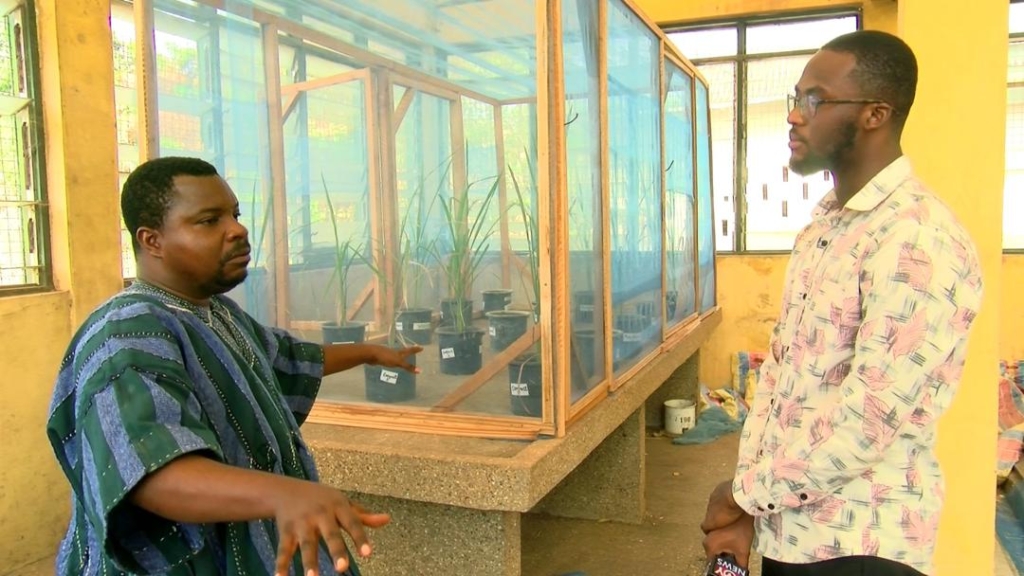
The study conducted by Dr. Albert Mensah and Dr. Ephraim Sekyi-Annan, researchers at the Institute, seeks to uncover which soil treatment could make heavy metal more available and accessible for uptake by crops and humans.
Sample collection
Tailings from abandoned artisanal gold mining sites, which are occasionally utilised by subsistence farmers for cultivating vegetables and other food crops, were collected for the investigation.
The initial levels of the specified heavy metal contents were evaluated - showing high presence of each of them.
The sand samples were used for cultivation of rice under a greenhouse compartment at the laboratory.
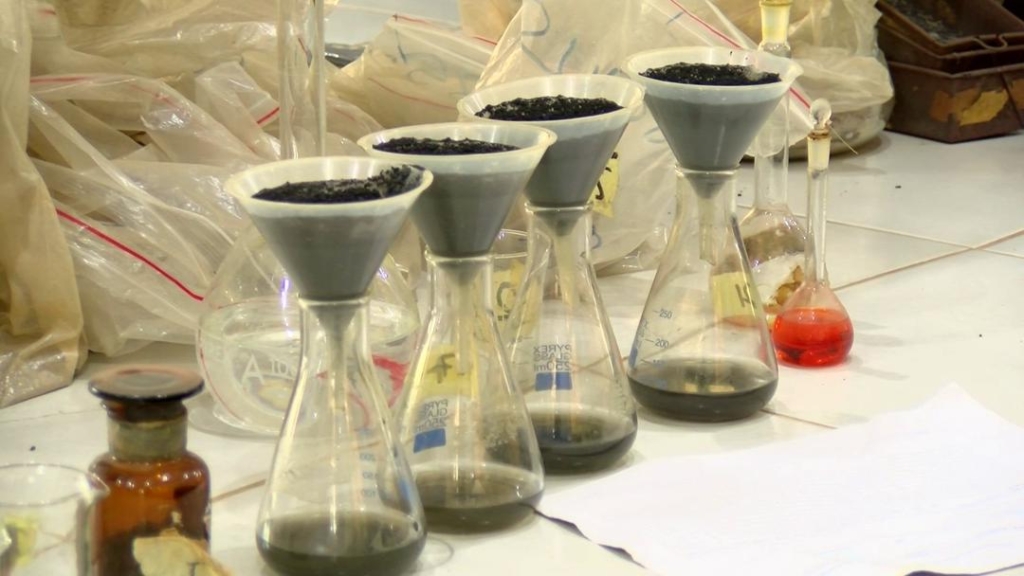
After the administration of the various soil amendments or treatment, the soil samples were taken to the analytical laboratory to assess the heavy metal compositions.
Following careful analysis, some treatments proved to release more heavy metals into the soil which could be fatal for farming.
Metal Contamination
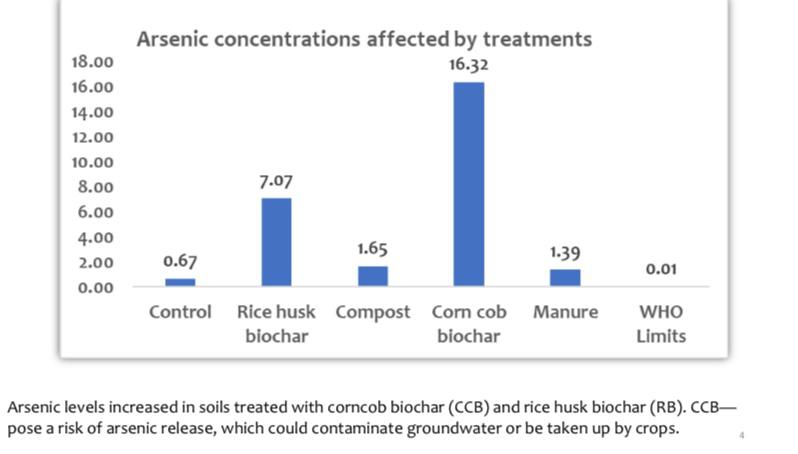
Arsenic levels increased in soils treated with corncob biochar and rice husk biochar – posing a risk of arsenic release which could potentially contaminate groundwater or be taken up by crops.
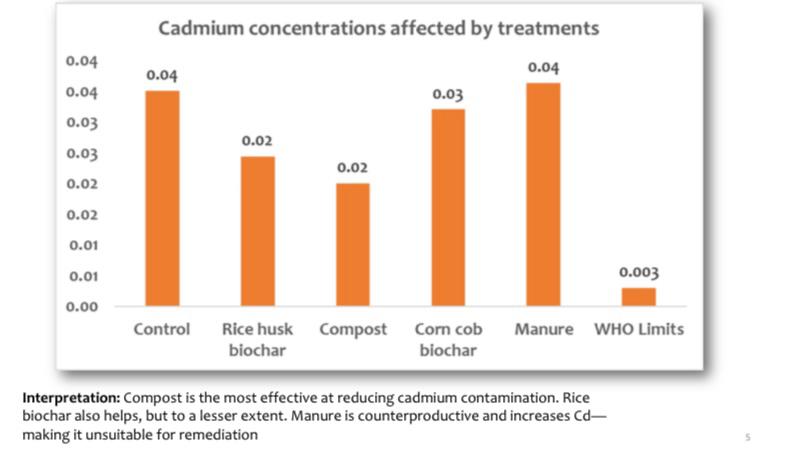
Compost proved effective in reducing Cadmium content although Rice husk biochar showcased some level of reduction efficacies. Manure was rather counterproductive as it released more Cadmium elements into the soil.
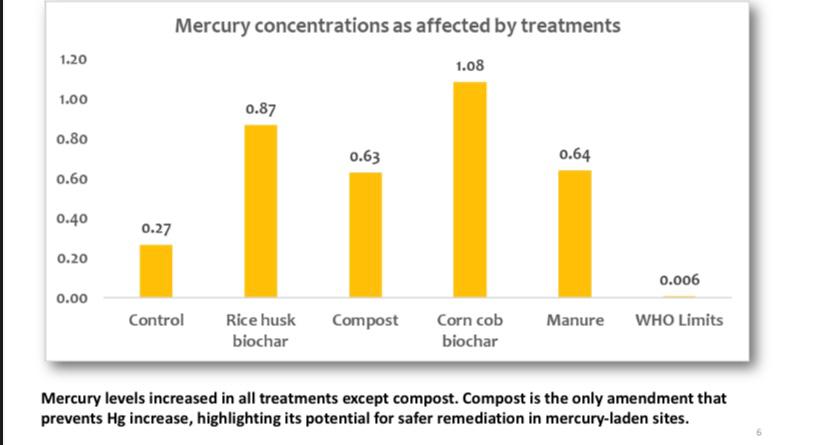
Mercury, a common chemical used in the galamsey operations, increased in all the treatments with the exception of compost – highlighting its potential as a safer remediation treatment in mercury-infested sites.
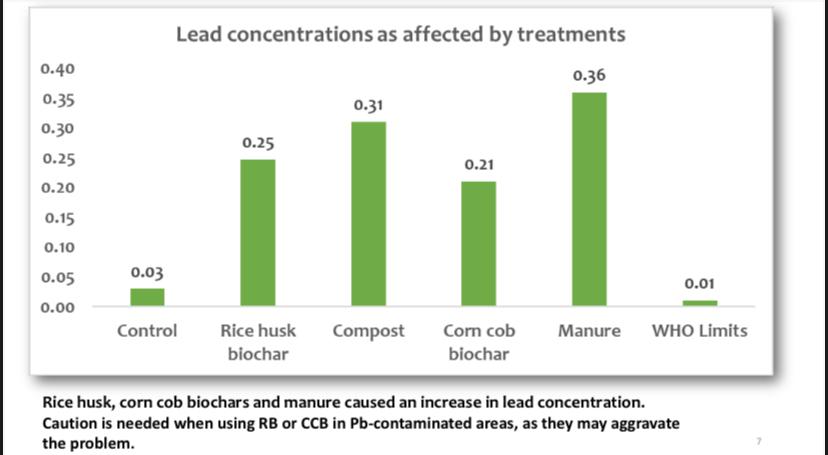
Lead concentrations were increased in rice husk and corn cob biochars and also in manure. The scientists cautioned against the use of the two biochar remedies in Lead-contaminated areas as they may aggravate the situation.
Galamsey impacts
Large hectares of arable farmlands continue to be at the mercy of illegal mining operations. An aerial view of various forest covers and lands across the Southern part of Ghana reveals an environmental canker, plaguing the very essence of human existence.
Huge pits are dotted across vast arable lands. Trees cut down, water and soils are polluted with poisonous chemical residues from the activity.
In illegal mining operations, poisonous chemicals, particularly mercury, are used in the activity for gold mining and washing.
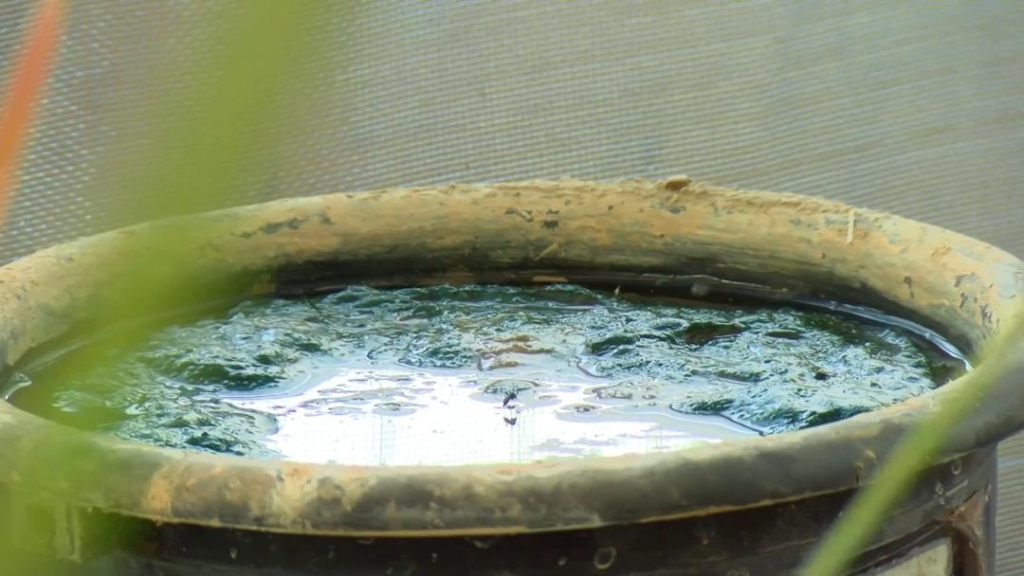
These chemicals tend to be released into the environment with deleterious effects on the land, water, plants, other natural resources and consequently on humans.
The devastating situation is threatening food security, hampering biodiversity and the ecosystem.
“When it comes to food, it should be something we are really concerned about. We shouldn’t buy anything from the market, especially lettuce, and leafy crops like cabbage because they are close to the soil,” Dr. Albert Mensah said.
Future study on food safety
Farmers in Ghana continue to grow on these illegal mining lands with no known effects on the uptake of heavy metals in crops and into the food chain.
A study on the uptake of these heavy metals into the rice grain is still underway to conclude the investigation. The scientists will examine how the levels of these heavy metals could affect the growth of the rice plant.
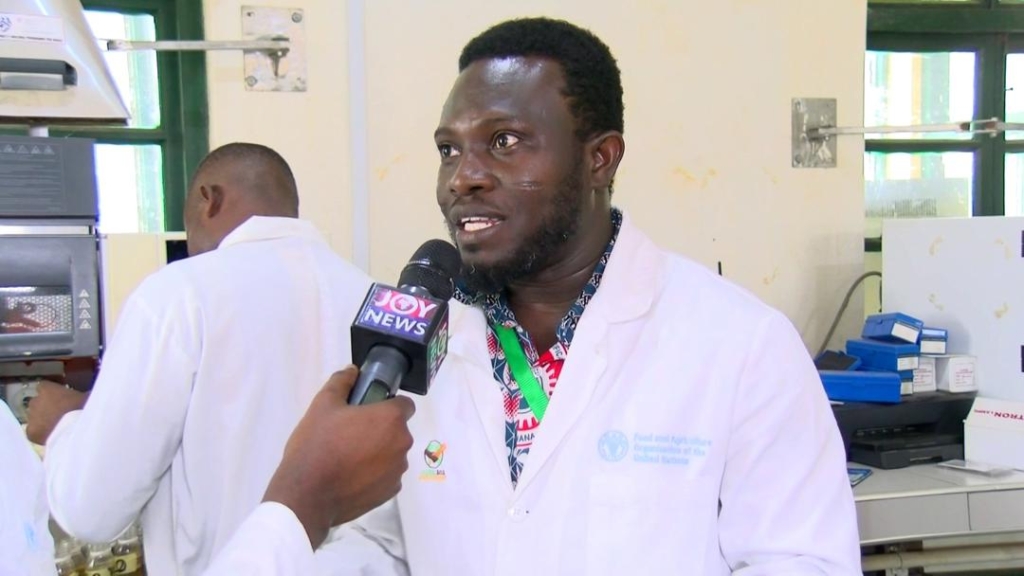
“We will monitor the plant height. The number of tillers and how it tussles. In the end when the rice grows, we will analyse the root, the shoot and even the grain to know the concentration of heavy metals in them,” Dr. Ephraim Sekyi-Annan noted.
Intensify illegal mining fight
While the researchers work assiduously for the country to adapt to these exacerbating environmental conditions, they want the government to intensify efforts in militating against the miners.
“Ghana’s soils are already acidic, and this illegal mining operation is compounding the situation. This is a worrying situation. We, as a research institute, hope the government institutes pragmatic measures to halt the growing environmental menace,” said Dr. Collins Tay, Director of the CSIR-SRI.
Latest Stories
-
Power restoration fault suspected in Kumasi Central Market fire
41 minutes -
The 7-foot giant of Ngleshie Amanfro: Seven-foot Ghanaian Ephraim Saawa dreams of joining the national basketball team
1 hour -
Government promises support for Kumasi Central Market fire victims
1 hour -
Vibes The Movie: Big Ghun’s Ghanaian film earns five nominations at 2026 REFFA
2 hours -
MamaCare CEO warns unresolved conflicts among health workers could undermine maternal and neonatal care
2 hours -
Health professionals urged to translate medical knowledge into practice to save mothers
2 hours -
Conflicts among care providers linked to maternal, neonatal deaths – Expert
4 hours -
GIS marks 10th TIME conference, champions improved teaching practices
4 hours -
BRICS Or Balance? What Ghana’s bid really means
5 hours -
GPRTU wants full TRAFFITECH-GH implementation to start in 2027
5 hours -
Mahama announces plans to import electric wheelchairs for PWDs
5 hours -
KGL U17 Colts 2026: Western beat Prempeh Elite Academy to set up final final with Greater Accra Region
5 hours -
Late Solanke strike salvages 10-man Spurs draw at Man United
5 hours -
Gender Ministry to monitor welfare of Nana Akua Addo’s children amid domestic violence case
6 hours -
Benedict Okyere Yeboah: Ghana’s football problem goes beyond sacking a coach
6 hours