

Audio By Carbonatix
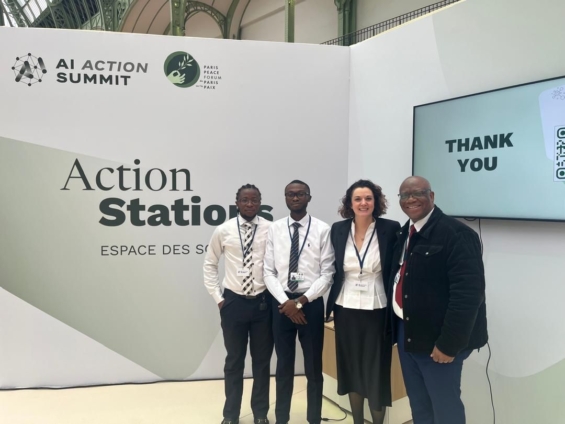
Dr. Eric Tutu Tchao, the lead for AI in Agriculture under the Artificial Intelligence for Sustainable Development (AI4SD) project, is leading efforts to apply Artificial Intelligence (AI) to address challenges in Ghana.
The AI4SD project funded by the French Embassy in Ghana and the Agence Française de Développement (AFD) aims to foster technological advancements that address socio-economic challenges, improve livelihoods, and promote sustainable environmental practices.
In an exclusive interview, Dr. Tchao discussed the project’s progress and its potential impact on smallholder farmers, water safety, and sustainable development.
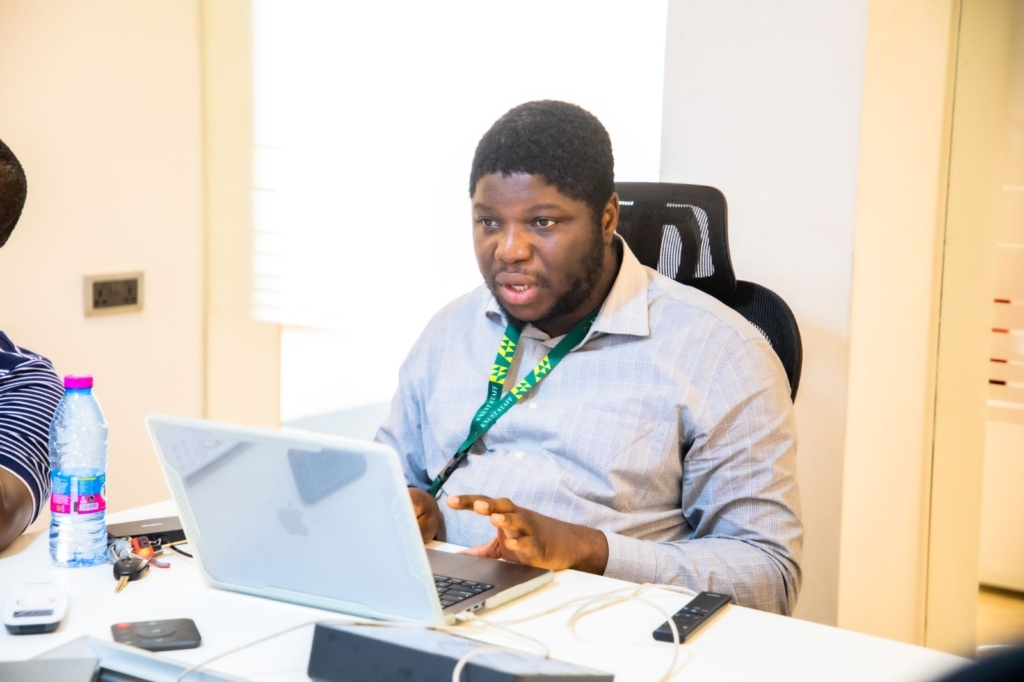
He emphasised that much of the work in AI and Internet of Things (IoT) remains confined to laboratories with limited real-world application.
“The principal investigator for RAIL and the project lead of the AI4SD project Prof. Jerry John Kponyo challenged us to create projects that prove our solutions work outside the lab,” Dr. Tchao said.
The project team identified critical issues in Ghana’s ecosystem, including challenges faced by smallholder farmers, knowledge gaps in agri-tech, and the impact of illegal mining, known as “galamsey,” on water quality.
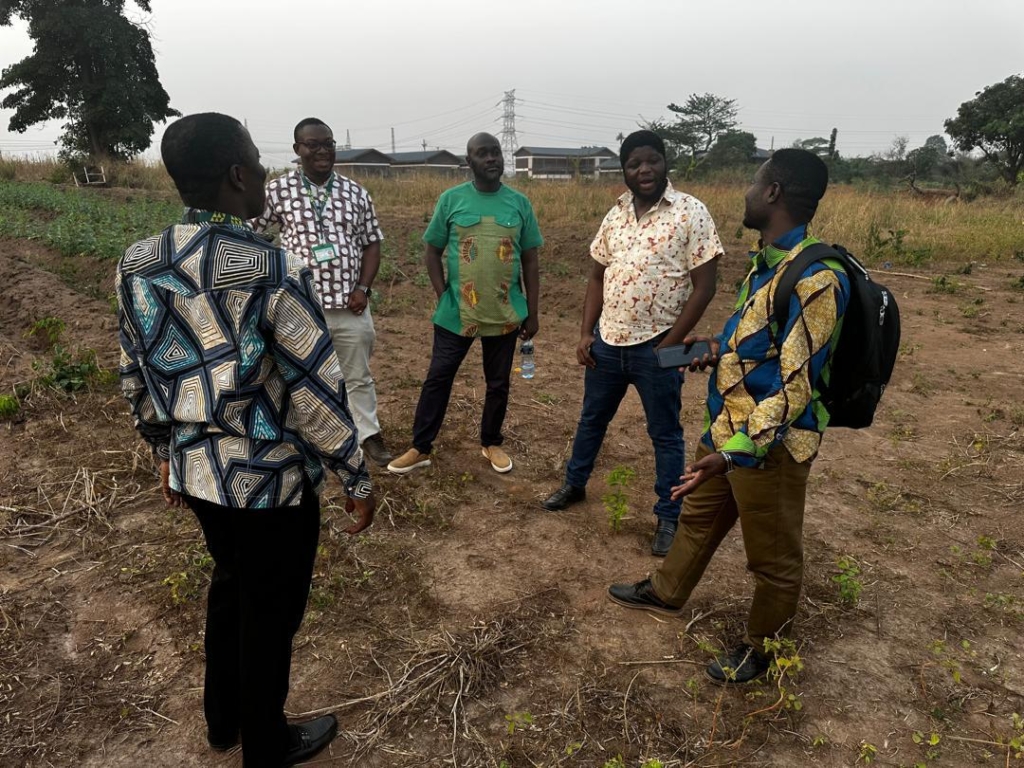
The AI4SD project in agriculture aims to focus on improving agricultural practices, addressing water pollution, and enhancing knowledge transfer.
The Agric team with the Head of the Department of Agric Engineering visited the demonstration site at Anwomaso on February 5, 2025, to access the land. The team is working on developing tools to predict yields, guide planting schedules, and provide low-cost devices to help farmers optimise production.
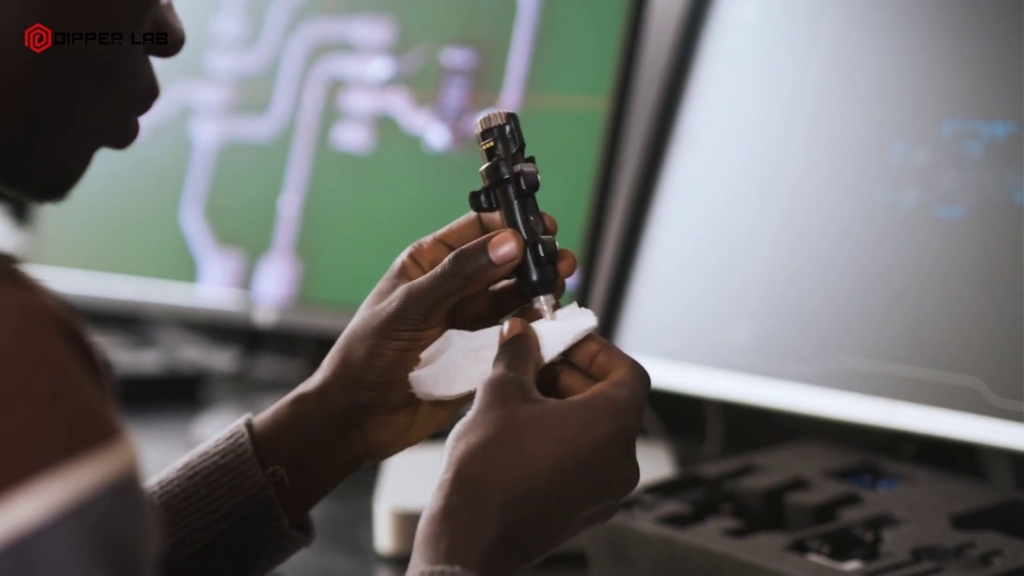
The project also aims to offer affordable solutions for detecting contaminants such as cyanide, lead, and arsenic, which are associated with the effects of “galamsey” on water quality.
AI tools are being designed to deliver information in local languages, ensuring accessibility for farmers and stakeholders.
Dr. Tchao provided details on the advanced AI technologies used in the project:
• Language Models: Large language models are being used to deliver instructions and feedback in local languages to bridge communication gaps.
• Predictive and Analytical Tools: Lightweight AI models are being developed for mobile devices, offering real-time insights to farmers.
• Sensor Technology: The project focuses on developing low-cost sensors to detect heavy metal contamination in water, addressing the limitations of expensive, imported sensors.
Affordable Solutions for Water Safety
A major breakthrough has been in sensor development. Initial attempts to use off-the-shelf sensors revealed high costs, with a single sensor for detecting mercury or lead priced at US $1,900.
To address this, the team collaborated with researchers in materials engineering and chemistry to create affordable alternatives.
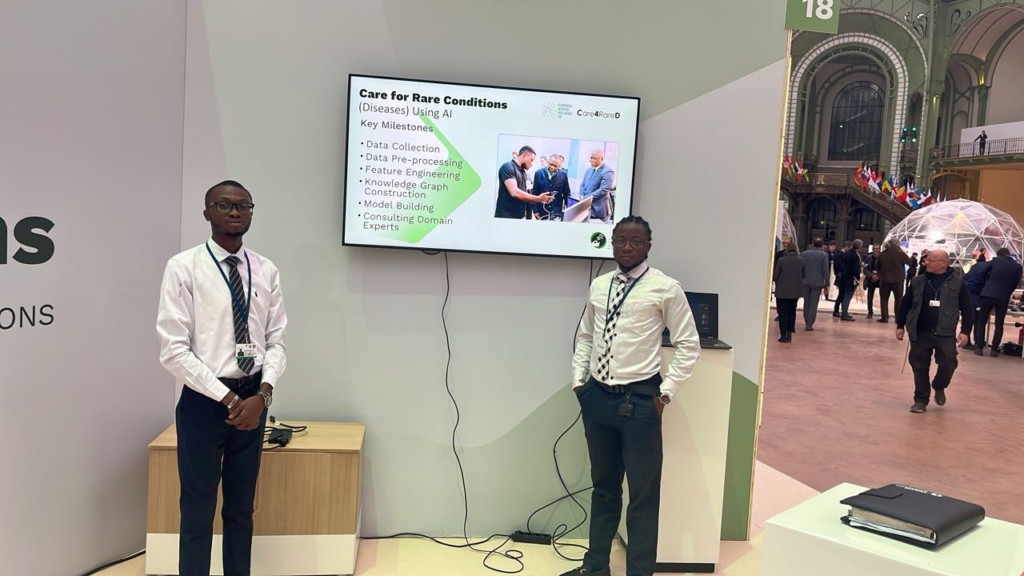
“We’ve developed sensors that cost as low as GH¢2,000, a significant reduction from US $8,000 for a device with multiple sensors,” Dr. Tchao explained.
These sensors are intended for use in “galamsey”-affected areas, homes, and communities relying on boreholes, providing access to safe drinking water.
A Vision for Sustainable Development
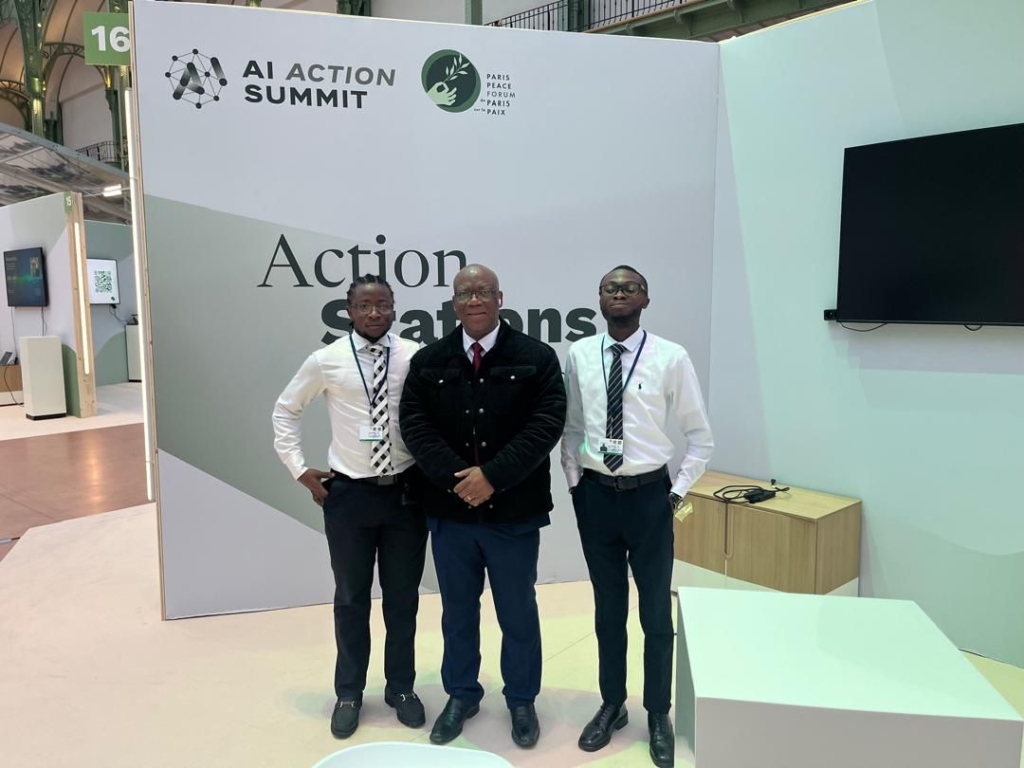
The AI4SD project demonstrates how technology can drive sustainable development by addressing real-world challenges.
“The solutions we’re developing not only showcase the power of technology but also ensure health and well-being,” Dr. Tchao said.
As the project progresses, its innovations promise to transform agriculture and water safety in Ghana, providing a model for other regions facing similar challenges.
Latest Stories
-
Police restore calm at Larteh following Odwira festival disturbance
38 minutes -
‘All the camps will dissolve’ – Bawumia demands one NPP for 2028
40 minutes -
There is no time to waste – Bawumia orders NPP to begin 2028 work
48 minutes -
Sarkodie visits MobileMoney Fintech LTD
50 minutes -
John Boadu unveils new NPP strategy to win back youth and modernise party
55 minutes -
Hawa Koomson elected NPP National Women’s Organiser
58 minutes -
John Boadu begins NPP rebuild from grassroots ahead of 2028 election
59 minutes -
Titus Glover wins NPP National Organiser race on second attempt
1 hour -
Winning 2028 election won’t be easy; we must work harder – Bawumia
1 hour -
You’ll be part of 2028 campaign; there’s enough work for all of us – Bawumia to NPP aspirants
1 hour -
John Boadu moves to unite NPP after heated leadership contest
1 hour -
Today is not a day of victory but a day of responsibility and great unity – John Boadu
1 hour -
Let us choose unity over division – John Boadu to NPP
1 hour -
Our task is to build a renewed NPP – John Boadu
1 hour -
Teamwork, discipline will drive NPP’s 2028 victory – Justin Kodua after retaining General Secretary position
1 hour