

Audio By Carbonatix
At a time when countries are reshaping their identities through trade and innovation, Africa is poised to chart its own path toward greater self-reliance.
Across the continent, conversations around trade liberalisation, local production, and intra-African consumption are gaining renewed urgency.
Ghana, too, is embracing this vision, “Grow Ghana, Eat Ghana, Wear Ghana”, a mantra that speaks to self-belief, creativity, and economic empowerment.
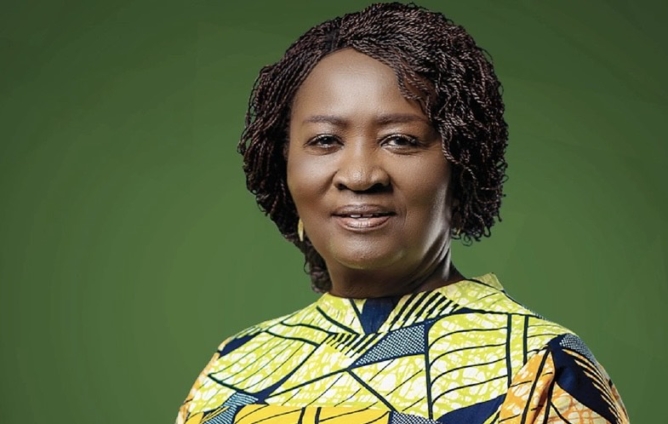
Yet among these ideals, one woman seems to embody them most visibly and consistently: Professor Naana Jane Opoku-Agyemang, Vice President of the Republic of Ghana.
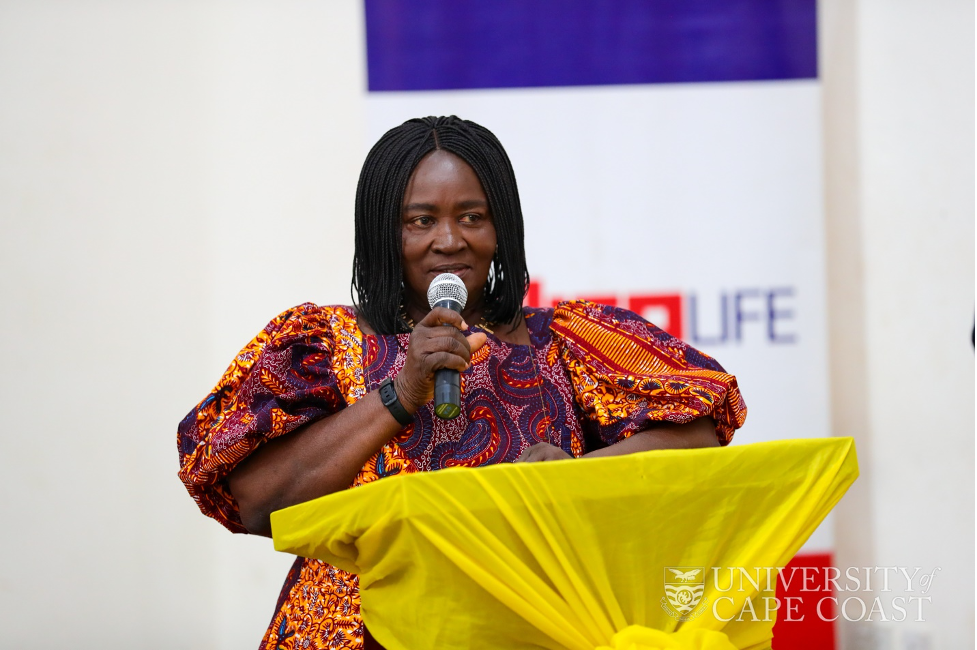
As a journalist, I have followed her public appearances closely, from the campaign trail through to the corridors of the Jubilee House, and one thing remains strikingly constant: her impeccable devotion to African fashion.
Whether addressing a political rally, meeting dignitaries, or representing Ghana abroad, the Vice President is always elegantly adorned in locally crafted attire.
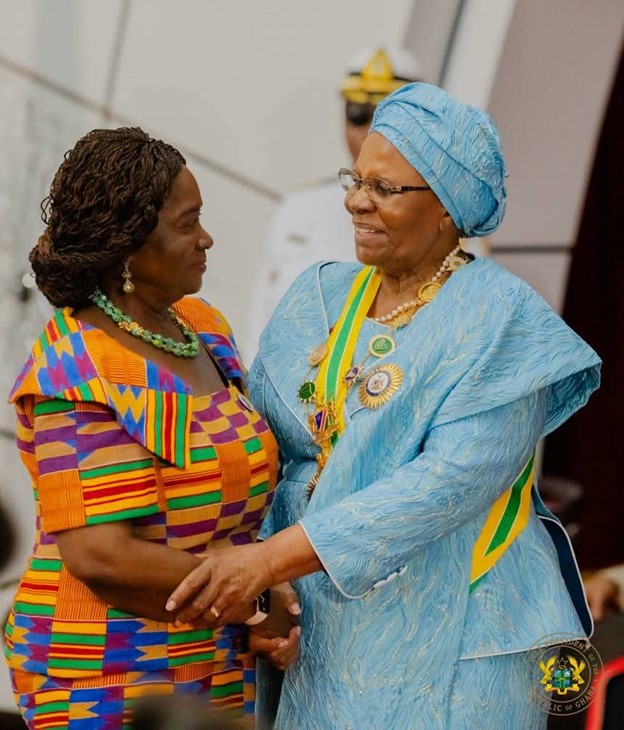
Never in a foreign suit. Never in borrowed culture. Always, authentically Ghanaian.
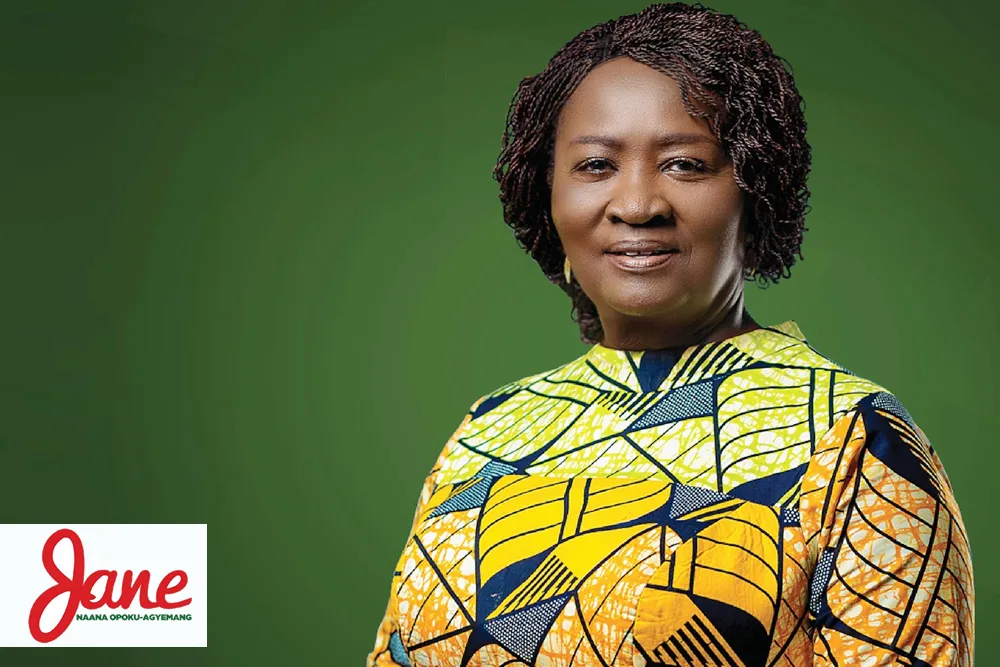
Her style choices are not mere aesthetics; they are a deliberate statement, an agenda to sell Africa to the world, one outfit at a time. Her signature slit and kaba ensembles, beautifully tailored by Ghanaian designers, radiate dignity and pride.
Each fabric tells a story of craftsmanship, heritage, and resilience. Through colour, texture, and pattern, she projects the spirit of a continent that has always known beauty, long before it was commercialised.
While many may see her dress as ordinary, I see a deeper narrative, one of economic consciousness and cultural diplomacy.
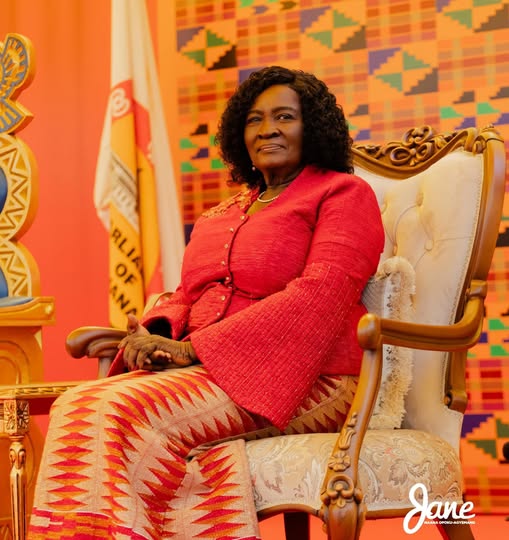
In a world where nations market their identities with precision, Professor Opoku-Agyemang is doing her part to promote Ghanaian creativity and enterprise. Like a true influencer, she uses her platform not for vanity, but for advocacy, urging Ghanaians to value what is home-grown.
If our leaders invest boldly in indigenous industries, one might infer from her silent statement. Our fabrics will be affordable, our designers empowered, and our culture celebrated.
Indeed, countries such as China has strengthened it's economies by turning local production into global brands. Ghana can do the same, and the Vice President is showing the way.
Her consistent preference for African wear is both an act of patriotism and a form of soft power.
During her recent engagement with the Ghanaian community in Belgium, at the Global Gateway Forum in Brussels, she appeared radiant in a green African print, a symbol of grace, tradition, and progress.
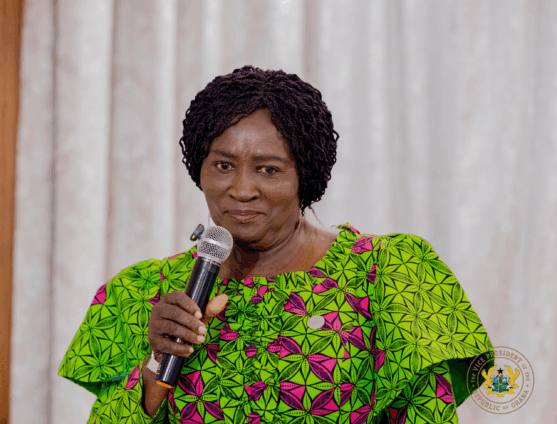
It was a simple yet profound gesture: she represented Ghana in attire that spoke louder than any slogan could.
Sadly, few of our public officials follow her lead. Many, when travelling abroad, set aside local fabrics for foreign suits, as though international prestige cannot coexist with African pride.
Wearing of smock is somewhat common among men, but the smock alone cannot carry the dream of “Wear Ghana”, we must embrace a broader fashion identity built on creativity and consistency.
The challenge is ours. Generations of young fashion designers graduate with talent but little opportunity.
Factories like Akosombo Textiles, once the heartbeat of local production, must be revived to sustain our creative economy. We must also invest more in vocational training, empowering the next generation to see value in their craft.
Recently, a Keta Senior High School student gained attention for her hand-made gown, a viral moment that should have been seized upon by the state. Such stories prove that Ghana’s fashion future is bright, waiting only for leadership, investment, and national confidence.
Designers like Tribe Afrique and others continue to redefine African fashion with innovation and flair. They need champions, and Professor Opoku-Agyemang has become one, not through endorsement deals, but through consistency and authenticity.
So, to our Vice President, thank you. Thank you for showing us that elegance need not come from abroad.
Thank you for wearing Ghana and Africa with pride. You look cultured, confident, and free. Through your wardrobe, you remind us that patriotism can be beautifully stitched, and that fashion, when worn with purpose, can become a quiet revolution.
Latest Stories
-
NPP Delagates Congress: Confusion delays voting at Ashanti Region TESCON centre
12 minutes -
Fire ravages shops, houses near Koforidua Central Police Station
19 minutes -
NPP Delegates conference: The wisdom of the masses will prevail – Napo
52 minutes -
Flydubai co-pilot attacked captain with axe, UAE official says
1 hour -
NPP Bosome Freho Constituency Chairman reportedly arrested over ballot paper incident
1 hour -
Medical plane with 6 on board missing off Massachusetts coast
1 hour -
Bolt driver jailed 25 years for robbing beautician
2 hours -
Happy 76th Birthday to the Daily Graphic!
2 hours -
Amin Adam celebrates Prof. Alhassan Musah on appointment as KAAF University Vice-Chancellor
2 hours -
Mahama reaffirms commitment to Volta development at Asogli Te Za
2 hours -
Bawumia urges NPP aspirants to accept results, reunite party after elections
2 hours -
Double fibre cut disrupts Telecel services, 72,754 subscribers affected
2 hours -
Bawumia demands probe into financiers behind Ghana-linked cocaine shipments
2 hours -
Spain beat Czech Republic to maintain winning run
3 hours -
Ronaldo ‘greatest symbol’ of Portugal – Fernandes
3 hours