


Audio By Carbonatix
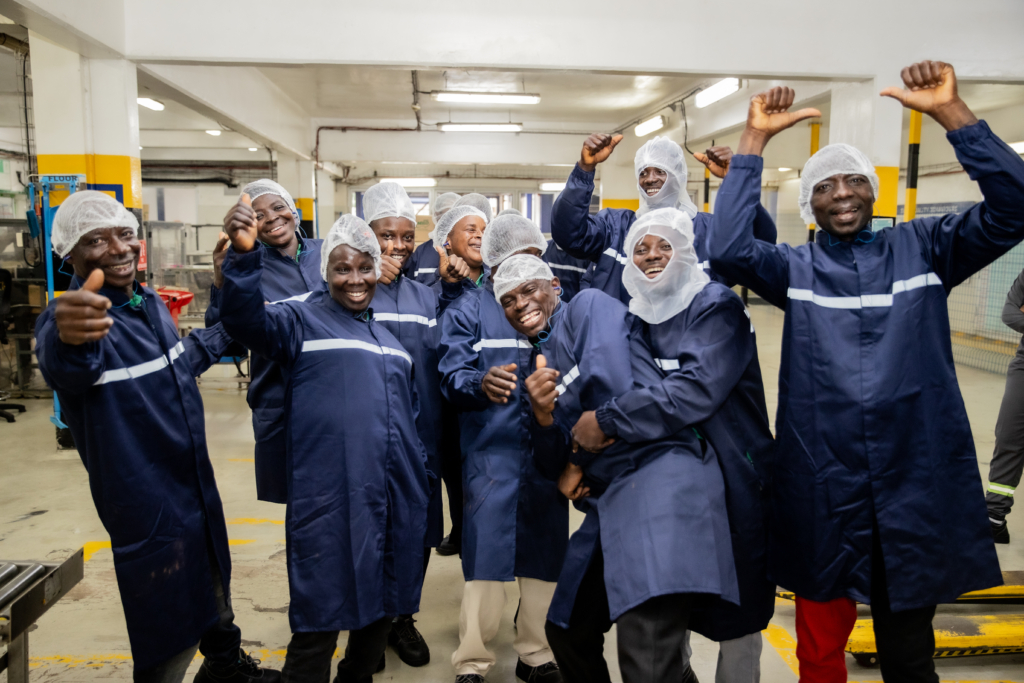
Nestlé Ghana has engaged a group of 15 lead cocoa farmers at its factory in Tema, giving them firsthand exposure to how their raw materials are transformed into end products such as Milo.
The initiative, which is the first time Nestlé has invited farmers to its factory, forms part of the company’s “Creating Shared Value” agenda, which seeks to improve yields for farmers while ensuring sustainable supply for Nestlé’s production.
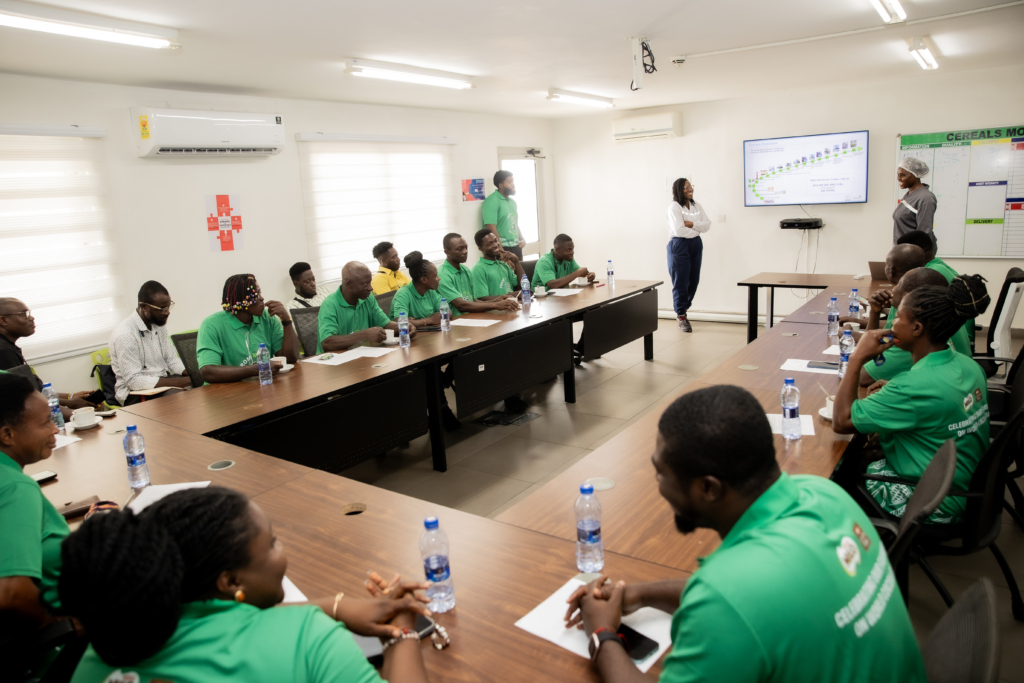
The participating farmers were drawn from the Ashanti Region and were described as “lead farmers” who not only manage their own farms but also support others with training in best practices such as pruning and other agronomic methods.
The engagement on Wednesday, September 17, began with a safety briefing, where a Nestlé health and safety officer walked the farmers through site regulations. A factory hygienist also sensitised them to strict hygiene protocols that guide production.
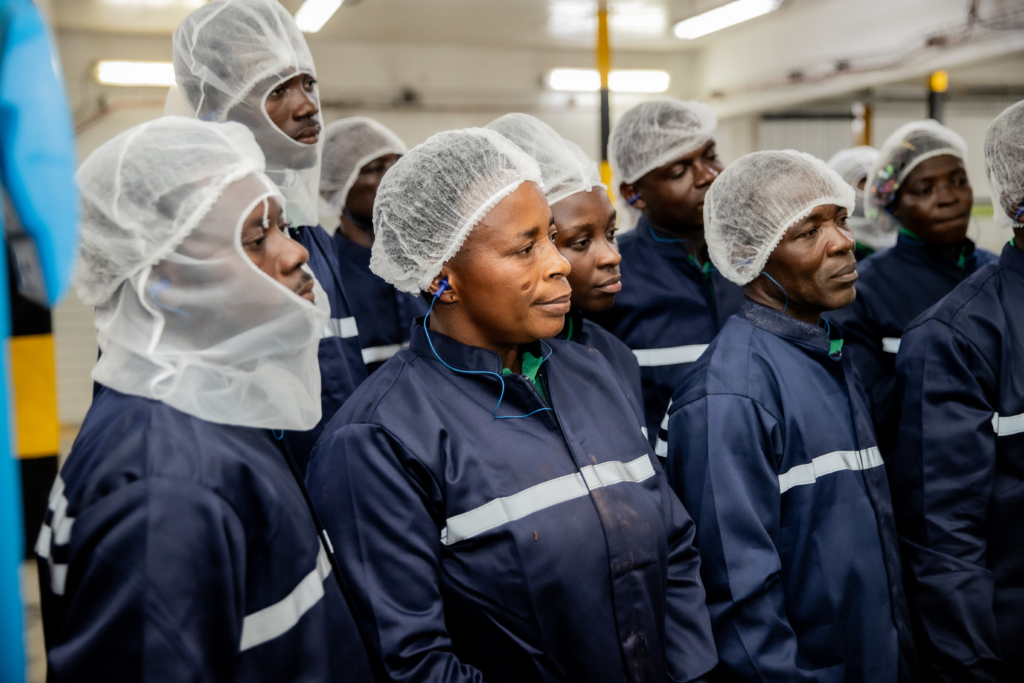
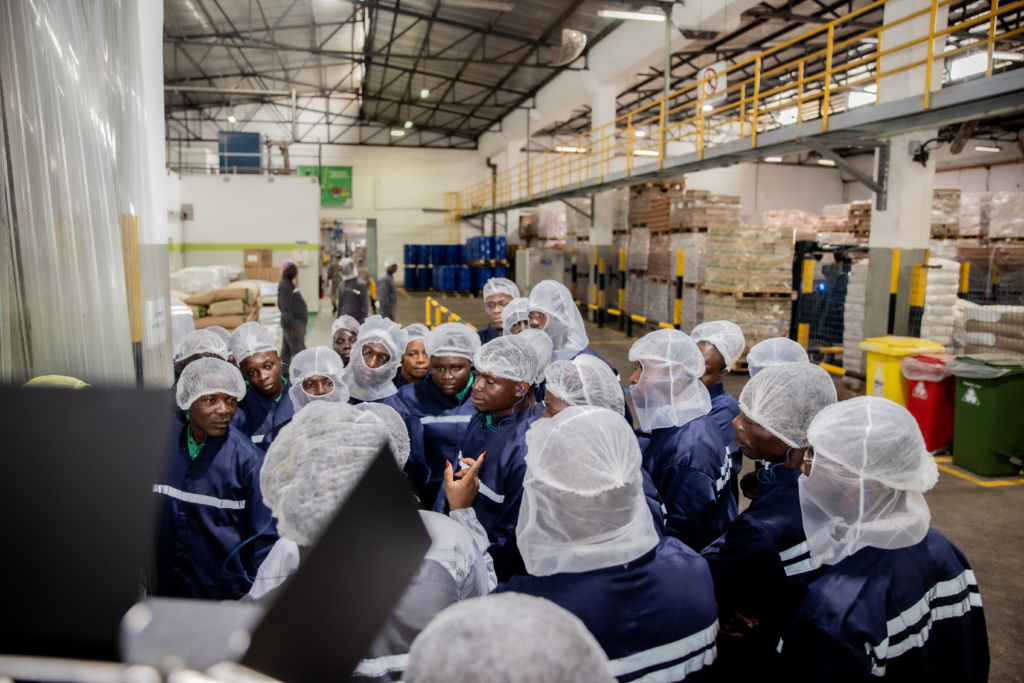
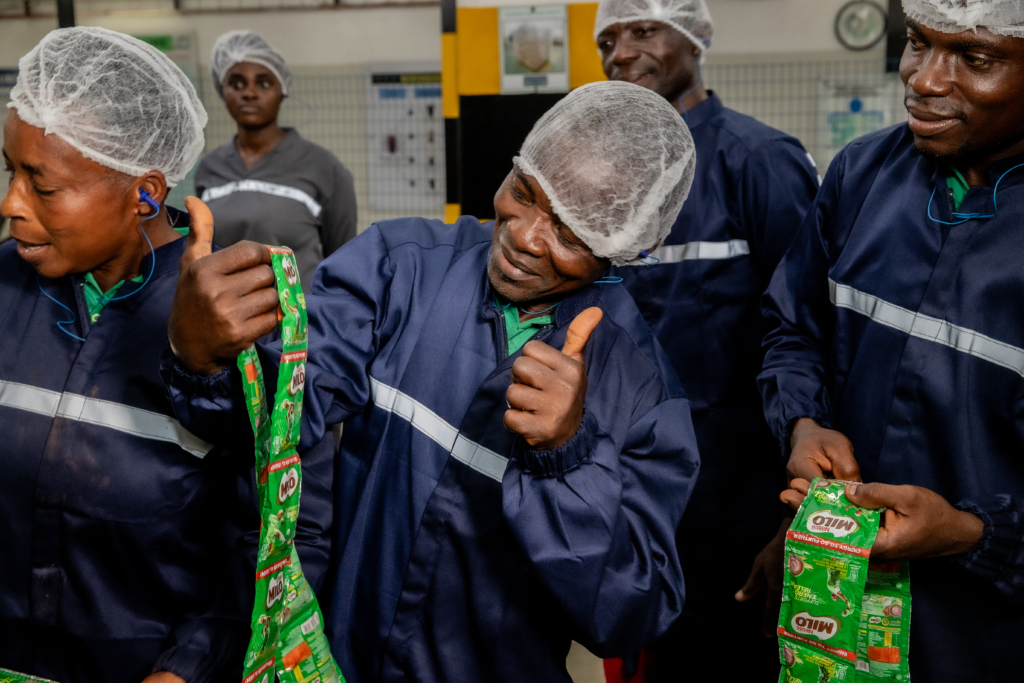
The farmers then embarked on a detailed tour of the manufacturing facility. They observed the full cocoa processing chain from cocoa bean collection to the preparation of Milo for public consumption.
For the farmers, it was the first time witnessing how their hard work on the farms is directly linked to Nestlé’s finished products on supermarket shelves.
Speaking to the media, Nestlé Ghana’s Corporate Communications and Public Affairs Manager, Deborah Kwablah, said the engagement reflects the company’s commitment to building stronger ties with farmers.
“Today, Nestlé Ghana decided to bring representatives, about 15 farmers, to our factory in Tema. It’s important because these cocoa farmers produce cocoa, and we support them through agronomic practices so that they can get better yields,” she explained.
She noted that higher yields benefit both farmers and Nestlé Ghana.
“There’s shared value in what we do. We create value for the farmer by training them and helping them to do the right agronomic practices, so that they can get more from the land, and then we [Nestlé] can get the cocoa we need,” she added.
Beyond agronomic support, Nestlé has invested in social amenities in cocoa-growing communities. The company has built and rehabilitated schools, constructed toilet facilities, and provided safe drinking water.
Earlier this year, Nestlé commissioned 15 boreholes and five schools in such communities, with more projects underway.
Madam Kwablah added that the initiative reinforces Nestlé’s long-standing commitment to farmer welfare and sustainability.
“It’s important for the sustainability of these communities that the children are educated, the farmers are supported, and the value chain is strengthened. That way, Nestlé will continue to get the cocoa it needs for production in Ghana and beyond.”
Latest Stories
-
GAEC must retain nuclear scientists for Ghana’s nuclear ambitions – Minister
9 minutes -
Man reportedly mistaken for game and shot by hunter dead in forest
11 minutes -
19-year-old mason jailed 15 years for defiling seven-year-old pupil
16 minutes -
Ghana’s banking sector assets rise 20.47% to GH¢500.2bn – BoG Governor
20 minutes -
22 injured as Sprinter bus overturns at Sege after tyre burst
22 minutes -
UN housing expert urges Ghana to strengthen Rent Control Department amid housing affordability concerns
30 minutes -
Delta-BCI partnership reaches 166,000 people with breast cancer education
39 minutes -
Power restoration fault suspected in Kumasi Central Market fire
6 hours -
The 7-foot giant of Ngleshie Amanfro: Seven-foot Ghanaian Ephraim Saawa dreams of joining the national basketball team
6 hours -
Government promises support for Kumasi Central Market fire victims
7 hours -
Vibes The Movie: Big Ghun’s Ghanaian film earns five nominations at 2026 REFFA
7 hours -
‘I’m a fulfilled man’—Justice Korbieh on missing out on Supreme Court despite two nominations
7 hours -
MamaCare CEO warns unresolved conflicts among health workers could undermine maternal and neonatal care
7 hours -
Health professionals urged to translate medical knowledge into practice to save mothers
8 hours -
Retired judge Justice Francis Korbieh charges 1,568 new lawyers to uphold integrity
9 hours