

Audio By Carbonatix
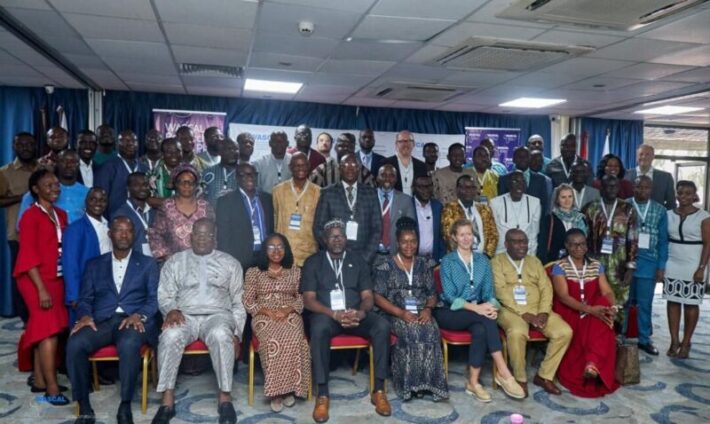
The West African Science Service Centre on Climate Change and Adapted Land Use (WASCAL) has completed the final technical workshop for the WASCAL Research Agenda Plan 2.0 (WRAP 2.0), after three years of innovative research
The programme has significantly advanced climate resilience and environmental sustainability across West Africa, delivering transformative outcomes that empower decision-makers and strengthen climate adaptation efforts in the region.
Launched in 2021 with the support of the German Federal Ministry of Education and Research (BMBF), WRAP 2.0 was designed to produce demand-driven research with development-focused results.
Through extensive consultations with WASCAL member states and stakeholders across 14 of the 15 ECOWAS countries, WRAP 2.0 prioritised solutions that addressed the most pressing climate challenges facing the region.
WASCAL Executive Director, Prof. Emmanuel Wendsongre Ramde, highlighted the importance of the initiative,
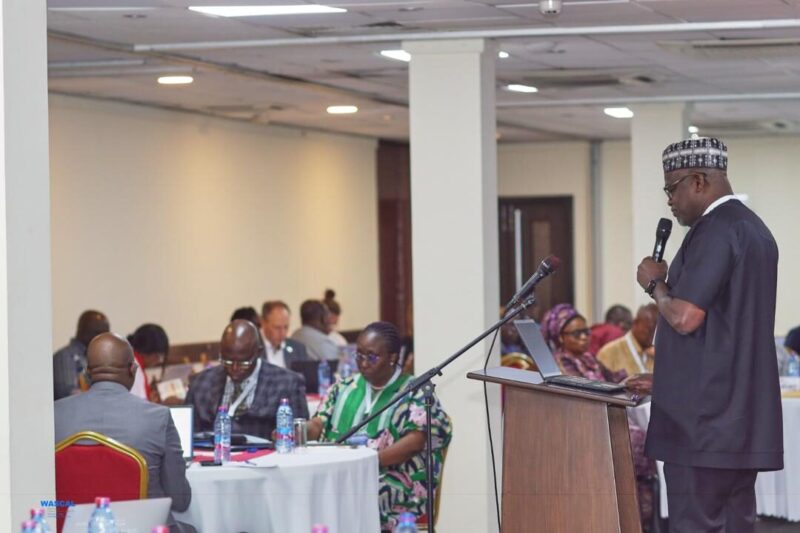
“WRAP 2.0 has not only redefined climate and environmental research in West Africa but has also laid a solid foundation for future progress. Each milestone has brought us closer to realising our goal of building a Climate and Environmental Services Centre that will effectively serve the needs of West Africa.”
Prof. KehindeThe workshop highlighted six flagship projects, namely; CONCERT, LANDSURF, FURIFLOOD, GREENGADE, MIGRAWARE, and MiTRA-WA. Each of these has played a pivotal role in transforming climate and environmental research in West Africa.
These projects have developed critical services to enhance informed decision-making, enabling the region to build resilient socio-ecological landscapes in the face of climate change.
Prof. Ramde also reflected on the collaborative spirit that underpinned WRAP 2.0, “Our success stems from the partnerships we’ve cultivated with both national organisations and international research communities.
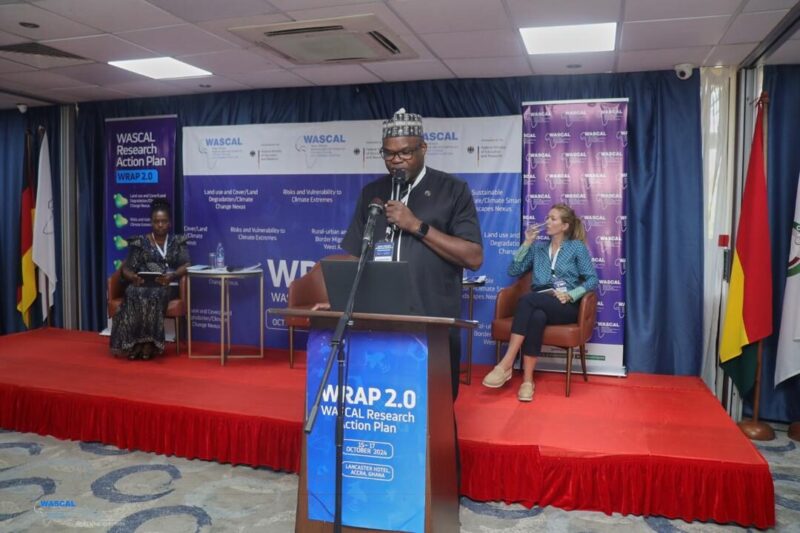
"Through these mutually beneficial collaborations, we have been able to turn research into policy-relevant tools and actionable solutions that enhance climate resilience.”
In his remarks, Prof. Kehinde Ogunjobi, WASCAL Director of Research, emphasised the need to expand on WRAP 2.0’s successes by developing even more impactful projects to address climate change mitigation and sustainable development.
“Our resilience hinges on the strength of our partnerships, the dedication of our governments, and the innovative capacity of our institutions. We must continue to build on these foundations to safeguard our future,” he urged, calling on member countries to sustain their support for WASCAL’s work.”
The workshop also facilitated valuable discussions on the integration of these innovations into WASCAL’s broader climate and environmental services framework.
“This is a pivotal moment for exchanging ideas, sharing knowledge, and ensuring that the tools and data generated by WRAP 2.0 continue to benefit the region well into the future,” Prof. Kehinde added.
Mrs. Siedel Pia, representative BMBF, WASCAL’s funding partner, commended the project’s progress and stressed the importance of ensuring the sustainability of these results.
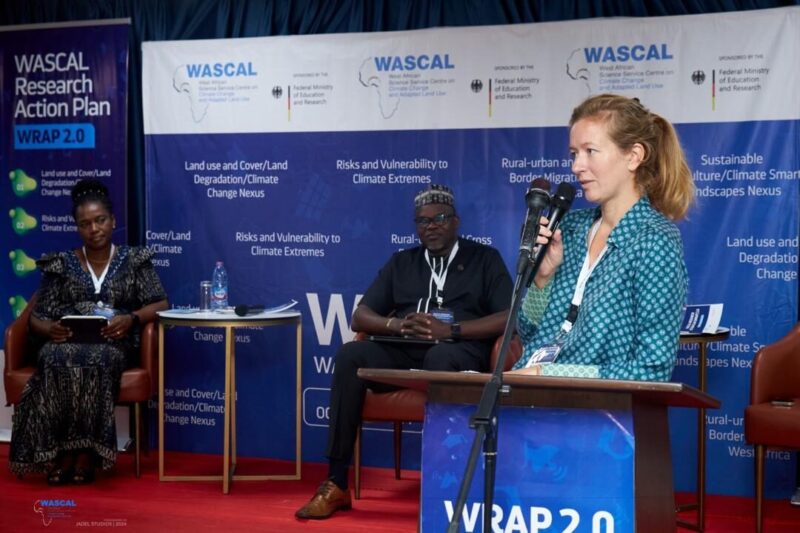
“Throughout WRAP 2.0, we have witnessed remarkable achievements across various research initiatives. Equally significant, WASCAL has firmly established itself as a key project management agency in the region. We are grateful for the dedication and vision WASCAL has shown in meeting this challenge.”
She further outlined BMBF’s continued commitment to the region and provided a glimpse into future initiatives:
“While WRAP 2.0 may be concluding, our partnership is far from over. I am excited to share with you a brief glimpse into the next chapter: CS4RRA - Climate Services for Risk Reduction in Africa.
"This initiative, which started in 2023 with a very successful series of four webinars in West Africa is about to open a new page in establishing a long-term cooperation between African and European partners," she said.
The workshop served as a powerful platform not only for celebrating WRAP 2.0’s accomplishments but also forging new collaborations and reaffirming a shared commitment to building a more resilient and sustainable West Africa.
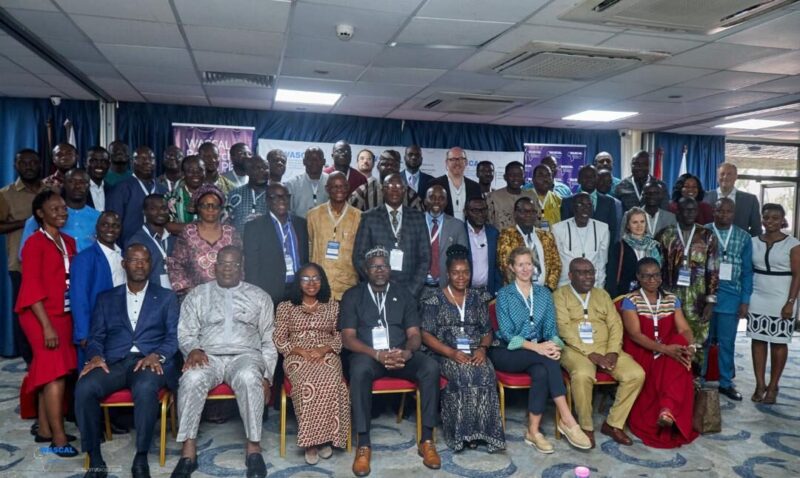
Additionally, the event provided an opportunity for stakeholders to discuss the handover of essential equipment and data generated during the project, ensuring long-term benefits for West Africa.
Prof. Kehinde encouraged continued collaboration with regional partners, such as the Environmental Protection Agency (EPA) and the Ghana Meteorological Agency (GMET), to transform WRAP 2.0’s achievements into policy-driven solutions.
Latest Stories
-
UN housing expert urges Ghana to strengthen Rent Control Department amid housing affordability concerns
6 minutes -
Delta-BCI partnership reaches 166,000 people with breast cancer education
15 minutes -
Power restoration fault suspected in Kumasi Central Market fire
5 hours -
The 7-foot giant of Ngleshie Amanfro: Seven-foot Ghanaian Ephraim Saawa dreams of joining the national basketball team
6 hours -
Government promises support for Kumasi Central Market fire victims
6 hours -
Vibes The Movie: Big Ghun’s Ghanaian film earns five nominations at 2026 REFFA
7 hours -
‘I’m a fulfilled man’—Justice Korbieh on missing out on Supreme Court despite two nominations
7 hours -
MamaCare CEO warns unresolved conflicts among health workers could undermine maternal and neonatal care
7 hours -
Health professionals urged to translate medical knowledge into practice to save mothers
7 hours -
Retired judge Justice Francis Korbieh charges 1,568 new lawyers to uphold integrity
9 hours -
Conflicts among care providers linked to maternal, neonatal deaths – Expert
9 hours -
GIS marks 10th TIME conference, champions improved teaching practices
9 hours -
BRICS Or Balance? What Ghana’s bid really means
9 hours -
Adamus Resources launches breast cancer awareness campaign in Nzema
9 hours -
GPRTU wants full TRAFFITECH-GH implementation to start in 2027
10 hours