

Audio By Carbonatix
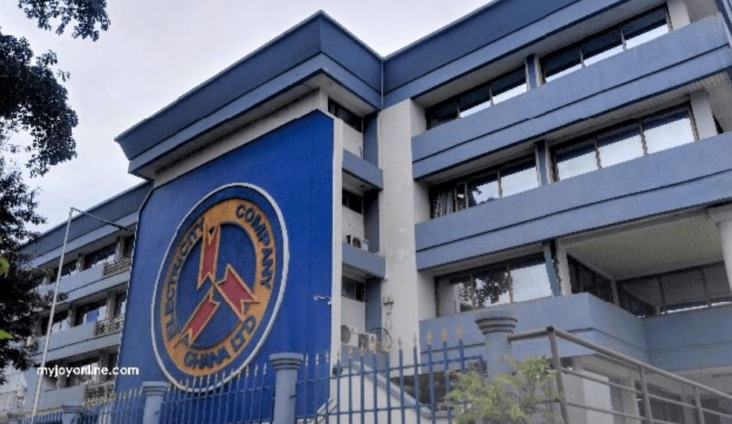
The Ranking Member of the Mines and Energy Committee in Parliament, John Jinapor, says that there is no need to sell the Electricity Company of Ghana (ECG).
This is despite reports suggesting that the company may be on the brink of bankruptcy due to severe financial challenges.
According to him, the main issue facing ECG is its billing and collection system, and a road map already exists which, if properly implemented, could save the company from its financial woes.
Mr Jinapor explained that during the National Democratic Congress (NDC) administration, former President John Mahama under the Millennium Challenge Corporation Agreement, secured $500 million to invest in the energy sector.
He said after visits to various countries to learn best practices, it was concluded that selling ECG was not necessary.
However, he stated that certain individuals within the ruling New Patriotic Party (NPP) intervened, undermining the process, and said the documentation was fraudulent.
“So we don’t need to reinvent the wheel, the road map is there, what we need to do is to take away the unnecessary political interference and the attempt by some people to make personal gains on the back of this concession.
“If we do it in a transparent manner, in a fair manner, and put in place the right mechanism, we will turn ECG around,” he said on Top Story on Wednesday, September 18.
His comments follow a notice from the Public Utilities Regulatory Commission (PURC), which warned that ECG may be on the verge of bankruptcy due to severe financial difficulties.
In a letter addressed to the Presidency, the Ministers of Energy and Finance, and other key stakeholders, PURC’s Executive Secretary, Dr Ismael Ackah, highlighted the crisis, which is also affecting the Volta River Authority (VRA), Ghana Grid Company (GRIDCo), and the Bui Power Authority.
He noted that these challenges have resulted in delays in salary payments and difficulties in covering administrative costs, signaling the need for urgent intervention.
Despite efforts to improve cash collection through digital and metering programs, as well as a 75% increase in tariffs since September 2022, ECG’s financial instability continues.
On the back of this, Mr Jinapor agreed with the PURC’s assessment, stating that ECG’s financial difficulties confirm there is excessive political interference in the management of the energy sector.
The Ranking Member on the Mines Committee argued that ECG should not be entirely privatised, but that Ghanaian private entrepreneurs should be involved in collecting payments for the company.
"The problem is corruption and a few cabal who always want to benefit from the Energy Sector, that is the problem,” Mr Jinapor added.
Latest Stories
-
Central Regional Minister urges use of religious platforms to change environmental, sanitation practices
5 minutes -
Henry Kweku Banning
5 minutes -
Execution of US murderer Christa Pike halted an hour before it was due to happen
8 minutes -
GoldBod generates US$1.87bn in FX in September, exceeds monthly target
11 minutes -
SOE comments controversy: ‘We must never abandon our humanity because of judicial office’ – CJ
21 minutes -
Samuel Kojo Brace declares intention to contest NPP parliamentary primary in Ahanta West
22 minutes -
Dr Apaak calls for evidence-based education response to emergencies
26 minutes -
Pilot may have sought to crash Israel-bound flight after stabbing other pilot, Netanyahu says
30 minutes -
Report flags potential money laundering, terrorist financing risks among Ghana’s NGOs
30 minutes -
Breast Cancer Awareness Month launched: 2,695 women die from breast cancer annually — Dr Ann-Dadzie
38 minutes -
Mahama’s proposed airline looks to South America, Caribbean as Ghana confronts mounting drug trafficking cases
53 minutes -
5% progress on Suame Interchange Phase One inadequate – Roads Minister tasks contractor to speed up work
56 minutes -
Photos: Vice President joins GAAS Awards to celebrate outstanding women leaders
57 minutes -
OSP vs Ken Ofori-Atta, SML and others: Court gives OSP four more weeks to serve Ofori-Atta with summons
58 minutes -
High Commission sends caution to Ghanaians in South Africa ahead of planned protests
1 hour