

Audio By Carbonatix
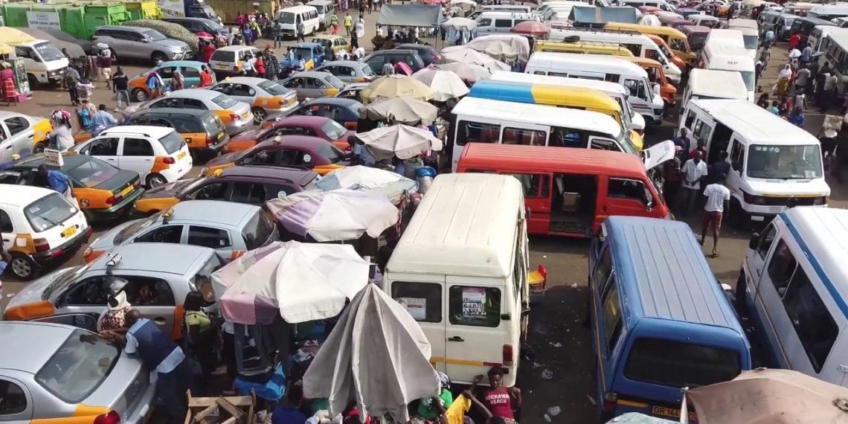
Some commercial drivers in the Ashanti Regional capital, Kumasi, are being compelled to buy fuel on credit, following the rise in fuel prices, which has led to the increase in the cost of goods and services.
In an interview on JoyNews’ Living Standard Series, they expressed worry over the fuel consumption rate of their vehicles, a situation the drivers reckon is impacting negatively on their finances.
A driver at Ayigya, Anokye, said the price instability of the commodity at the pumps is affecting his livelihood.
He is among some drivers buying fuel on credit. The story is the same for his colleague, Asare, who indicated that his vehicle now consumes more fuel than his body consumes food.
He added that the increased prices have forced him to cut down his spending on food and plans to quit the job he loves.

“It’s been tough for us. We mostly feel tired because there is no food in the stomach. You always have to wait until 4 pm before you can get something to eat in anticipation of the next day.
“You will work and won’t get anything. It looks like we are working for the car owners and the government because you work and use it to buy fuel; you work to make sales to the car owner. That is all; what are you earning? So we are just working on getting something better to do and quitting this driving work.”

The 33-year-old says he is of age to get married, but he cannot afford even a wedding ring.
“Look at me; I don’t have a family, so when will I mobilise money to get family and even raise children who would take care of me?” he stated.
Two ladies working as bus conductors at Tech Junction, Angela and Priscilla, mentioned their daily earnings and commissions have dwindled lately.

When their masters do not earn enough, these ‘trotro’ mates are disadvantaged in making an extra.
“I used to earn ¢80, but now we don't earn anything because of the hike in fuel prices. We only get ¢10. We currently pay more at the fuel stations; we don’t get enough commission nowadays.

“Our maters aren’t getting enough now, so we can’t even make extra cash,” they indicated.
When next you join a public transport and see a trotro mate aggressively demanding the additional coins from you, the reason may not be far-fetched.
Latest Stories
-
GOIL CEO praises Star Oil counterpart despite fierce market rivalry
1 hour -
Como ease past Leipzig in dream Champions League debut
2 hours -
Gordon a better fit for Barca than Rashford – Deco
2 hours -
GOIL won’t give up ground as Star Oil battles for market share, says Edward Bawa
2 hours -
Kidnapped man begs family for help as captors threaten death over GH¢45,000 ransom
2 hours -
Fenerbahce boss stuns club by quitting after Roma draw
3 hours -
Spurs and Richarlison in dispute over contract
3 hours -
Arsenal close to finalising new contract for Arteta
3 hours -
Abandoned vehicles face auction under new road safety rules – National Road Safety Authority
3 hours -
KNUST Management responds to UTAG, says statutes review still ongoing
3 hours -
10 SOEs recorded net loss of GH¢8.8bn in 2024 – IMF
3 hours -
EOCO questions former Deputy AG Joseph Kpemka over BOST dealings, grants him bail
3 hours -
Alleged romance scam pastor’s case withdrawn from Circuit Court
3 hours -
Oil, gas and borrowing costs surge as fears over Middle East escalate
4 hours -
PRESEC’s ADO9 moment sparks social media frenzy after NSMQ victory
4 hours