


Audio By Carbonatix
For decades, Ghana’s rivers have been the lifeblood of communities, providing water, food, and a means of livelihood. But today, many are dying, poisoned by illegal mining activities that have left them clogged with mercury and silt. The government is taking a bold step to reverse this damage with the launch of the Blue Water Initiative.
At the Ghana Navy Forward Operating Base in Ezilebo in the Western region, 400 recruits are undergoing intensive training to become Blue Water Guards.

The Blue Water Initiative, part of the broader ‘Reset Ghana Agenda’, aims to train 2,000 personnel across the country this year. These individuals will monitor river health, identify illegal mining activities, and collaborate with local communities and traditional authorities to combat water pollution.
The damage caused by galamsey is staggering. Once-thriving rivers like the Pra, Ankobra, and Offin are now heavily polluted, making it difficult for communities to access clean water. Fishermen report dwindling catches, while farmers struggle with land degradation.
"Our rivers used to be our source of life. Now, they are a source of sickness," says Kwesi Mensah, a fisherman from the Western Region.
With the situation growing dire, the Minister of Lands and Natural Resources, Emmanuel Armah-Kofi Buah, says immediate action is needed.

"Illegal mining is not just an environmental issue, it is a national crisis. We must act now," he emphasises.
Unlike previous anti-galamsey initiatives, the Blue Water Guards are drawn from affected communities.
This, the government believes, will give them a stronger commitment to protecting their own resources.
They are receiving training in water monitoring, surveillance, and enforcement tactics, preparing them to take on illegal miners who continue to operate despite government bans.
"This is about protecting our land, our water, and our people," says Emmanuel Anyimah, Deputy CEO of the Minerals Commission.

The initiative is part of the broader ‘Reset Ghana Agenda’, which includes the upcoming Tree for Life programme to restore degraded forests and a new decentralised mining permit system to regulate small-scale mining.
Ghana has seen multiple anti-galamsey efforts in the past, many of which have failed due to corruption and weak enforcement. However, the government believes that by involving local communities and equipping the Blue Water Guards with the right tools, this initiative has a better chance of success.
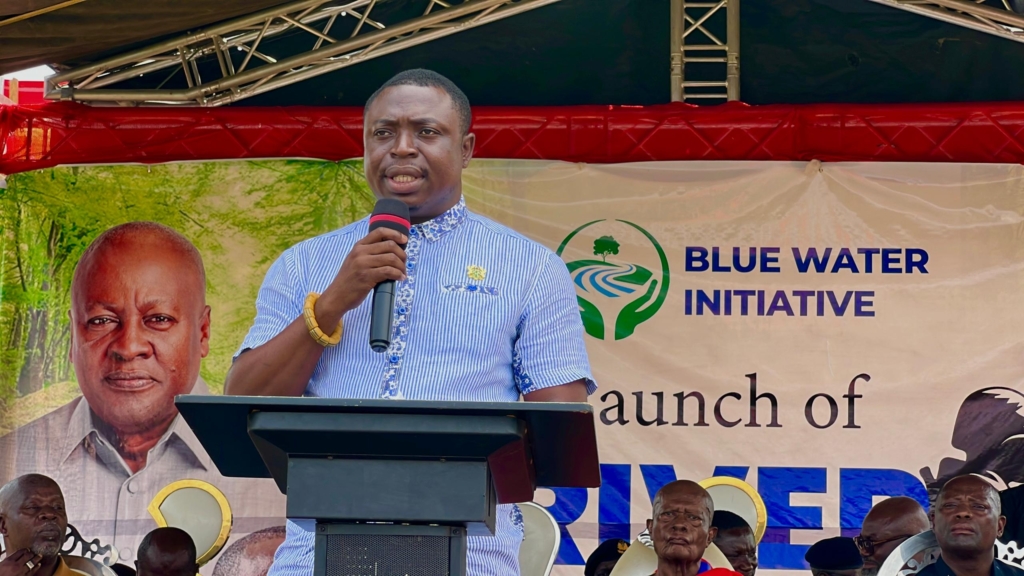
"The difference this time is that we are putting our own people in charge of their own future," Minister Buah asserts.
With training underway and deployment expected in the coming months, the nation watches closely.
Will the Blue Water Guards be the heroes Ghana’s rivers need, or will they become just another chapter in the country’s ongoing struggle against illegal mining?
Latest Stories
-
Vibes The Movie: Big Ghun’s Ghanaian film earns five nominations at 2026 REFFA
5 minutes -
MamaCare CEO warns unresolved conflicts among health workers could undermine maternal and neonatal care
29 minutes -
Health professionals urged to translate medical knowledge into practice to save mothers
35 minutes -
Conflicts among care providers linked to maternal, neonatal deaths – Expert
2 hours -
GIS marks 10th TIME conference, champions improved teaching practices
2 hours -
BRICS Or Balance? What Ghana’s bid really means
3 hours -
GPRTU wants full TRAFFITECH-GH implementation to start in 2027
3 hours -
Mahama announces plans to import electric wheelchairs for PWDs
3 hours -
KGL U17 Colts 2026: Western beat Prempeh Elite Academy to set up final final with Greater Accra Region
3 hours -
Late Solanke strike salvages 10-man Spurs draw at Man United
4 hours -
Gender Ministry to monitor welfare of Nana Akua Addo’s children amid domestic violence case
4 hours -
Benedict Okyere Yeboah: Ghana’s football problem goes beyond sacking a coach
4 hours -
GPL 2026/27: Darkwah Wiafe’s winner sees All Blacks beat Kotoko
4 hours -
ITF World Tour : Patel Wins Boys’ Singles Final at J100 Accra
4 hours -
Ghana must pursue BRICS partnership if it brings economic benefits – Kpebu
4 hours