


Audio By Carbonatix
Neglecting routine maintenance of public toilets is costing municipalities and districts across Ghana millions of cedis every year. Poorly managed facilities are becoming breeding grounds for diseases, causing public frustration and avoidable repair bills.
In Agyeimpra, a community in the Offinso Municipality of the Ashanti region, the Agyeimprahene and Offinso Saamanhene, Nana Afriyie Kodom II, has warned that anyone who mismanages the newly commissioned 20-seater public toilet will be dismissed.
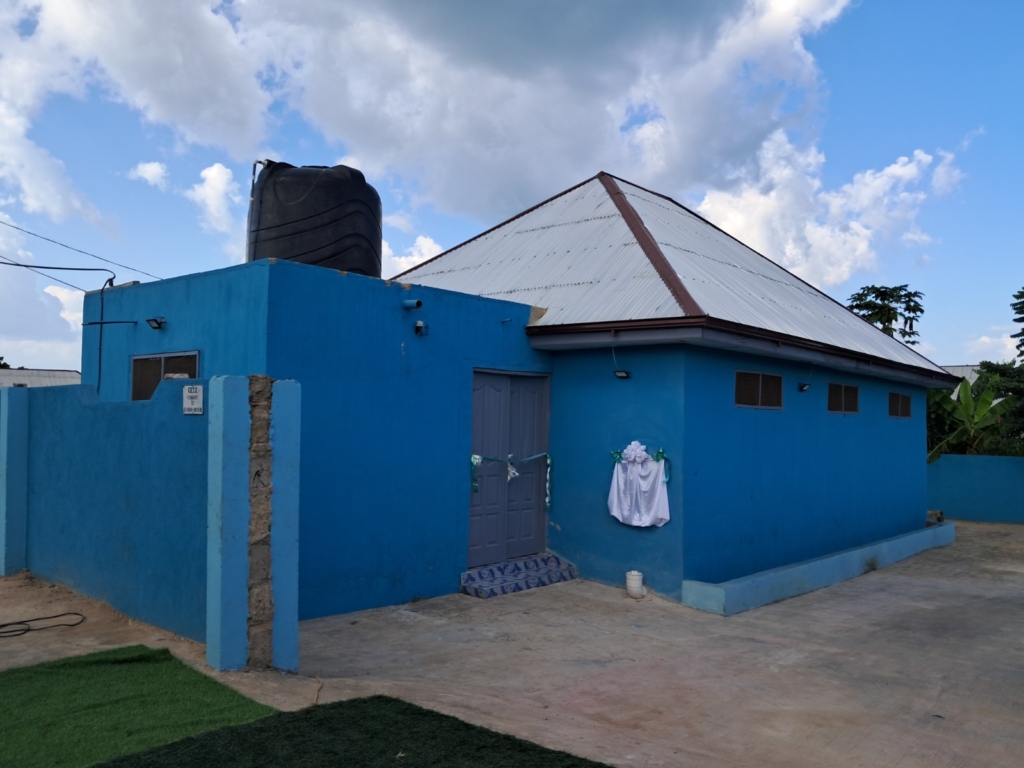
“If you are not able to take good care of the facility, we will dismiss you and bring someone capable,” Nana Kodom said firmly.
He compared the management of the toilet to traditional leadership, saying: “If a chief is unable to lead a community, he is destooled for another person to take over.”
The facility was built through the support of Richard Agyare, a resident of Agyeimpra who now lives abroad. His effort has brought great relief to residents who, for years, struggled to find a decent place of convenience.
Poor maintenance, costly consequences
Across the country, what starts as minor repairs, leaking taps, broken flush handles, or blocked drains often grows into major problems when ignored. A repair that could cost just a few hundred cedis can quickly turn into a full renovation worth thousands of Cedis.
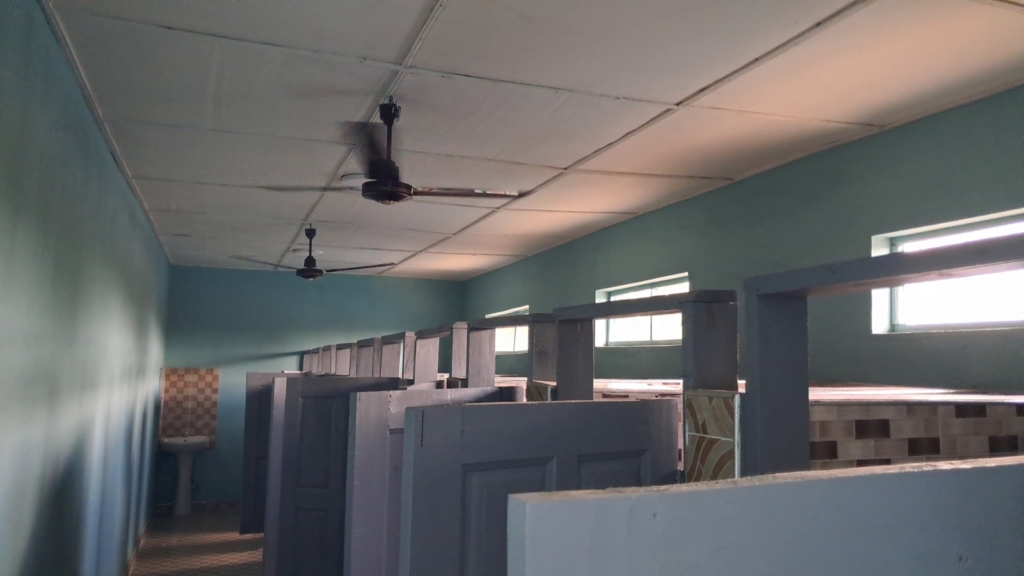
Public health experts warn that dirty and damaged toilets can spread diseases like cholera and dysentery, especially in crowded communities. When such facilities are neglected, everyone pays — not only through higher costs but also through poorer health and environmental conditions.
A Call for Responsibility and Cleanliness
Former Chief Executive of the Environmental Protection Authority (EPA), Dr Henry Kwabena Kokofu, praised the chief’s decision and called it a bold move toward sustainable sanitation.
“The culture of maintenance is our biggest challenge as a country,” DDrKokofu said. “We have to make sure proper maintenance is followed at all levels — not only at the national level.”
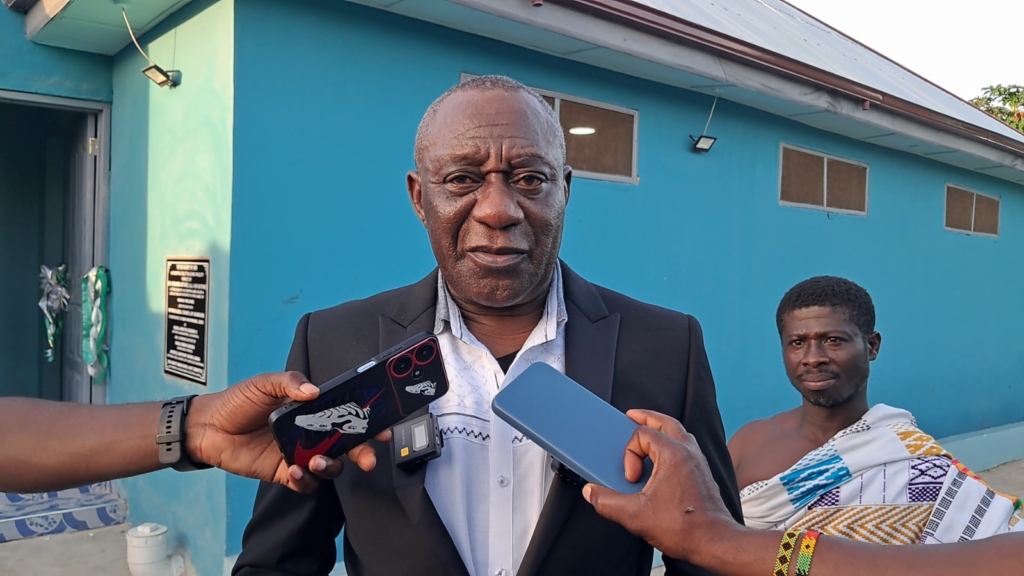
He urged both managers and users of the new toilet to keep it clean.
“The managers must do their job, and the users must also behave responsibly. There is no argument about it.”
Dr Drokofu also appealed to residents to avoid littering or damaging the facility, saying good sanitation begins with good behaviour.
Relief for residents
For the people of Agyeimpra, the new facility is a long-awaited answer to their sanitation problems. Many residents say it will help end open defecation, improve hygiene, and protect the environment.
“This toilet is a big relief for us,” said one resident. “We now have a clean place to use instead of going to the bush.”
Urban development experts say regular cleaning, monitoring, and community involvement are key to maintaining public facilities. They believe chiefs, assembly members, and sanitation officers should work together to ensure toilets are properly managed and repaired when needed.
As Ghana’s cities and towns continue to grow, experts warn that the true cost of poor maintenance goes beyond money — it affects human dignity, public health, and trust in local authorities.
“We build these facilities for the people,” Nana Kodom reminded the crowd, “so it is the people’s duty to protect and maintain them.”
Latest Stories
-
Today’s front pages: Monday, October 12, 2026
15 seconds -
BoG proposes new rules to ensure banks can always pay customers when they need their Money
1 hour -
Hotline Documentary: ‘Silent Football’ to air on JoyPrime and JoyNews today
2 hours -
NDPC examines how evidence shapes Ghana’s development planning and policy decisions
2 hours -
Education Ministry calls urgent talks to break GAUA strike deadlock
2 hours -
NCCE engages women in North East Gonja on rule of law, anti-corruption
2 hours -
NDPC reviews 2004 planning guidelines to reflect changes in decentralised system
2 hours -
Trade Ministry commends Prisons Service for using art to drive inmate rehabilitation
2 hours -
Books, brushes and second chances: Dr Abena Asomaning launches three titles to support prison outreach
2 hours -
Treasury bill auction oversubscribed by 53.5% as yields fall across maturities
2 hours -
NPP warns aspirants premature campaigning could jeopardise eligibility for primaries
2 hours -
Ghana courts investors in Bangkok after exit from $3bn IMF bailout
3 hours -
8 arrested over alleged internet fraud initiation assault in Bono Region
3 hours -
SSNIT says Labadi Beach Redevelopment will create local economic opportunities
3 hours -
BoG proposes 30-day liquidity buffer requirement for banks
3 hours