

Audio By Carbonatix
A growing concern is emerging from the Krachi East District as stakeholders call for urgent reforms to improve the efficiency of Ghana’s flagship poverty alleviation programme, the Livelihood Empowerment Against Poverty (LEAP).
The Krachi East Social Welfare Officer, Kwasi Boampem, has made a passionate appeal to government authorities to shorten the time gap between the reassessment and validation of LEAP beneficiaries.
According to him, the current delays are creating significant challenges for officers on the ground.
He explained that the long interval often results in beneficiaries becoming untraceable due to death or relocation, making it increasingly difficult to maintain accurate and updated records.
This, he stressed, undermines the effectiveness of the programme and its ability to reach the most vulnerable.
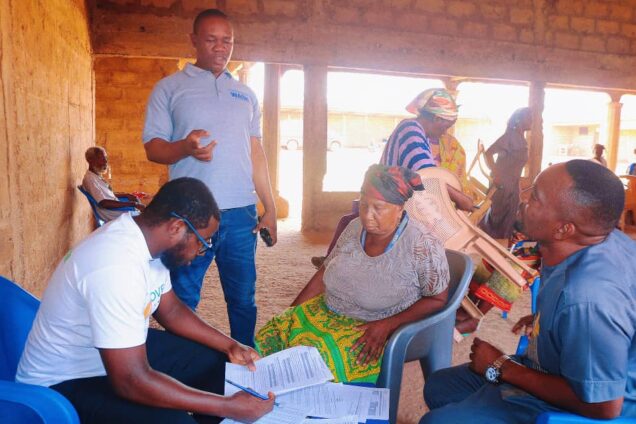
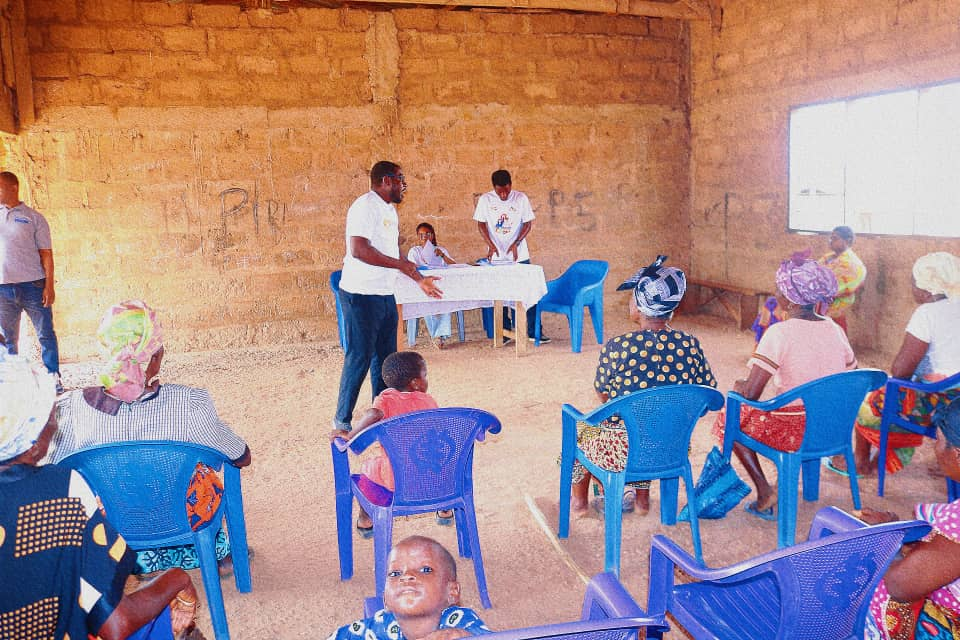
Mr. Boampem made these remarks during a monitoring and evaluation exercise on the LEAP reassessment conducted by LoveAid Foundation.
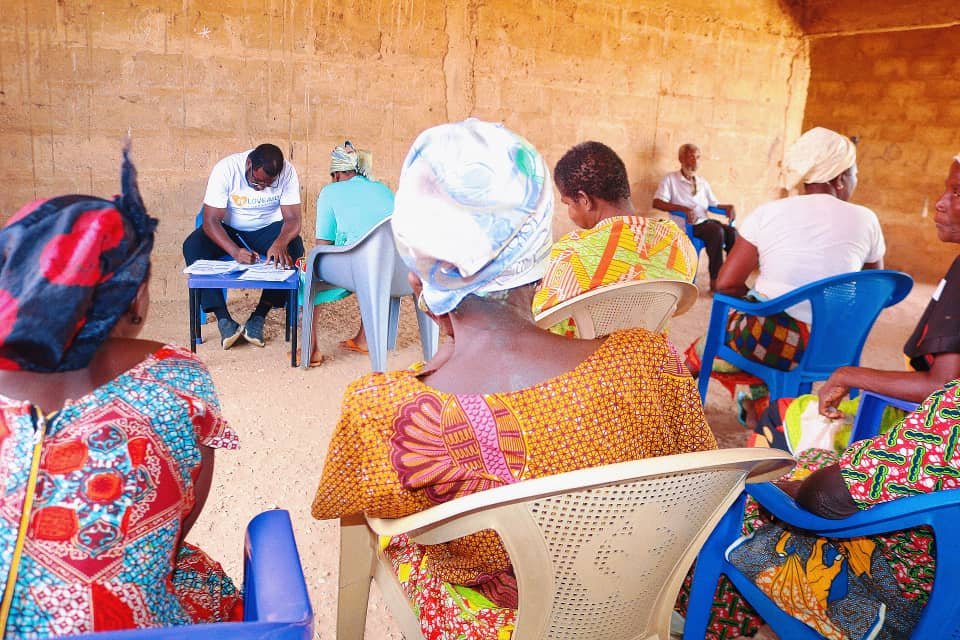
The exercise aimed to assess how well the programme is performing, identify lessons learned, and recommend improvements to ensure it truly lifts beneficiaries out of poverty.
Meanwhile, the Programmes Officer of the foundation, Joshua Tetteh Ayayi, offered a broader perspective on tackling poverty.
In an interview with the media, he emphasized that relying solely on cash transfers is not a sustainable solution.
Mr. Ayayi advocated for a more transformative approach; one that integrates skill acquisition for children of LEAP beneficiaries.
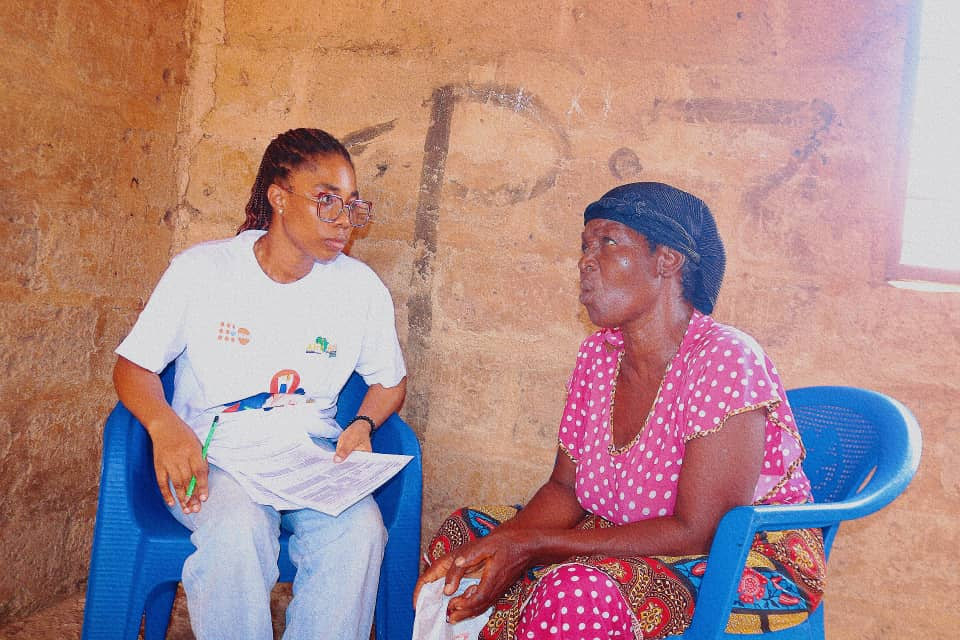
He suggested that equipping these young people with vocational skills and providing them with the necessary tools or equipment upon completion would empower them to support their families.
Such an approach, he noted, would not only reduce long-term dependency on government support but also create opportunities for new beneficiaries to be enrolled into the programme.
Beneficiaries themselves echoed similar sentiments. Many expressed a desire for skills training and startup support instead of continuous financial aid for daily sustenance.
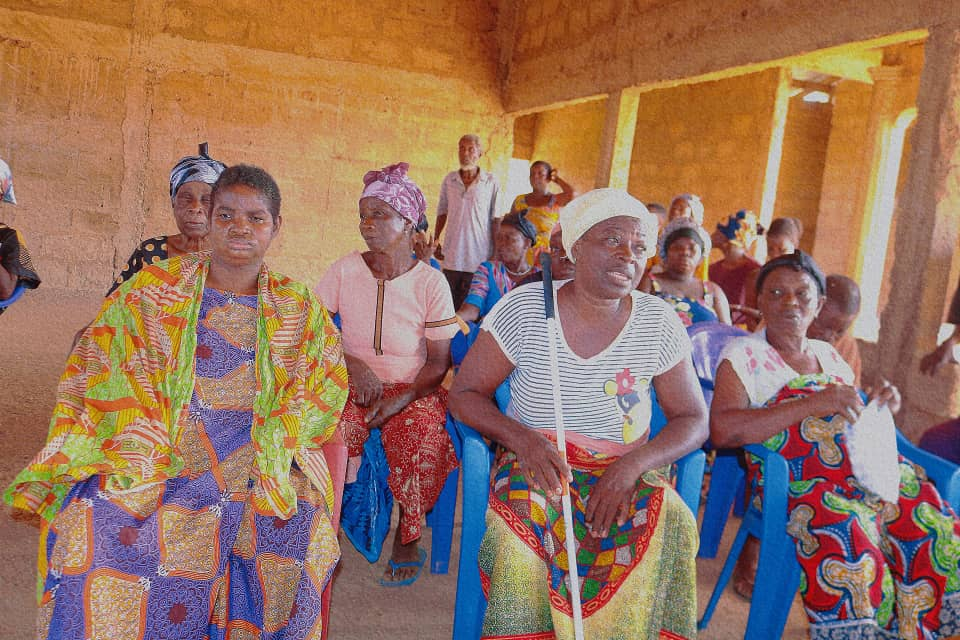
They believe this shift would provide them with lasting economic independence and dignity.
The Livelihood Empowerment Against Poverty (LEAP) programme is a flagship social protection initiative introduced by the Government of Ghana in 2008 to support the country’s most vulnerable populations.
Targeting extremely poor households, the programme provides bi-monthly cash transfers to groups such as the elderly (65 years and above), persons with severe disabilities, orphans and vulnerable children.
Beyond financial support, LEAP also connects beneficiaries to essential services like healthcare through the National Health Insurance Scheme (NHIS).
Over the years, LEAP has played a critical role in reducing extreme poverty and improving living conditions for thousands of households across Ghana.
Latest Stories
-
Breast cancer is not a death sentence – Besease Kontire Obaapanin, Magmina Foundation lead awareness campaign
1 minute -
EcoBank invests in digital education of 4 Garisson School to mark 40 years in Africa
32 minutes -
AGI urges investment in skills and raw materials to strengthen local manufacturing
35 minutes -
GPL 2026/27: ‘We have to rectify our mistakes’ – Boadu reacts to Aduana FC defeat
36 minutes -
No disability access, no building permit – KMA declares
36 minutes -
Asantehene to lead environmental restoration effort at Jimi Land Reclamation Site
40 minutes -
Poor Ghanaians are being jailed because they cannot afford justice – Crime Check Foundation
41 minutes -
No conflict in appointing Emelia Agbenyo as Deputy EC Chair – NDC
42 minutes -
87-year-old man jailed 20 years for defiling 9-year-old girl at Ofankor
44 minutes -
Sankofa Gold targets 70kg output after 9-month shutdown
47 minutes -
Tamale, Bolgatanga had just one Legal Aid lawyer between them – Kwesimintsim MP
54 minutes -
PAC orders eviction of former irrigation company MD from official residence
58 minutes -
Legal Aid Commission has offices in only 45 of Ghana’s 261 districts, needs 180 more staff
60 minutes -
Challenging Heights welcomes Ghana’s Tier 1 ranking, calls for more anti-trafficking funding
1 hour -
Cedi extends depreciation against dollar; going for GH¢12.10 at forex bureaus
1 hour